
Mary GracyRising From the Ashes
The path from a fiction lover to a teacher was filled with unimaginable twists and turns.
As a young girl growing up in a modest household, Mary found her world in books. While others her age spent their evenings playing, she would sit quietly with copies of Bhashaposhini and other Malayalam magazines, reading writers such as Arundhati Roy, M. Mukundan and Madhavikutty.
Life, however, had different plans. Marriage brought her into a completely new environment, one far removed from the close-knit, disciplined family she had known. The books gradually disappeared from her daily routine as responsibilities multiplied and survival demanded her attention. For years, reading became a distant memory.
Yet, like a phoenix rising from the ashes, Mary discovered new ways to rebuild herself, through service, leadership and a quiet determination to keep moving forward.
Mary's early life was shaped by a strong sense of responsibility. Growing up in a family where her elder brother played the role of both mother and father, she learned the values of affection and a shared sense of belonging. These lessons would later become the foundation of her work in the community.
Even before she entered formal leadership roles, she was someone people naturally depended on. She took care of her brother’s children, managed household responsibilities and learned to navigate challenges without losing her composure. Over time, this ability to remain steady in difficult situations became one of her greatest strengths.
What makes Mary's story remarkable is not that she avoided adversity, but that she consistently adapted to it. Rather than allowing circumstances to define her, she slowly carved out meaningful roles wherever she found herself.
Finding Purpose
One of the most significant chapters of Mary’s journey began through her involvement in church activities. Initially, she was hesitant. With young children to care for and numerous responsibilities at home, attending meetings and community gatherings seemed impossible. But members of the church community saw qualities in her that she herself had not yet fully recognised.
They encouraged her to take on responsibilities within the church's family unit. What began as a small role gradually evolved into leadership positions. She first served as treasurer and later as secretary of the unit.
These roles demanded organisation, communication and teamwork. Mary embraced each responsibility with sincerity. She coordinated activities, encouraged participation and helped strengthen the sense of community among members.
Under her leadership, the family unit grew significantly. Savings schemes expanded, participation increased, and collective initiatives became more successful. The unit eventually earned recognition among many other church units. Members came together to organise celebrations, contribute to church projects and support one another in meaningful ways.
For Mary, these achievements were never about personal recognition. They were about creating spaces where people felt connected and valued. The experience also transformed her confidence. The woman who once preferred to remain unnoticed gradually became someone capable of organising groups, addressing gatherings and motivating others. Through church service, she discovered that leadership was not about authority: it was about commitment, consistency and care.
A New Beginning
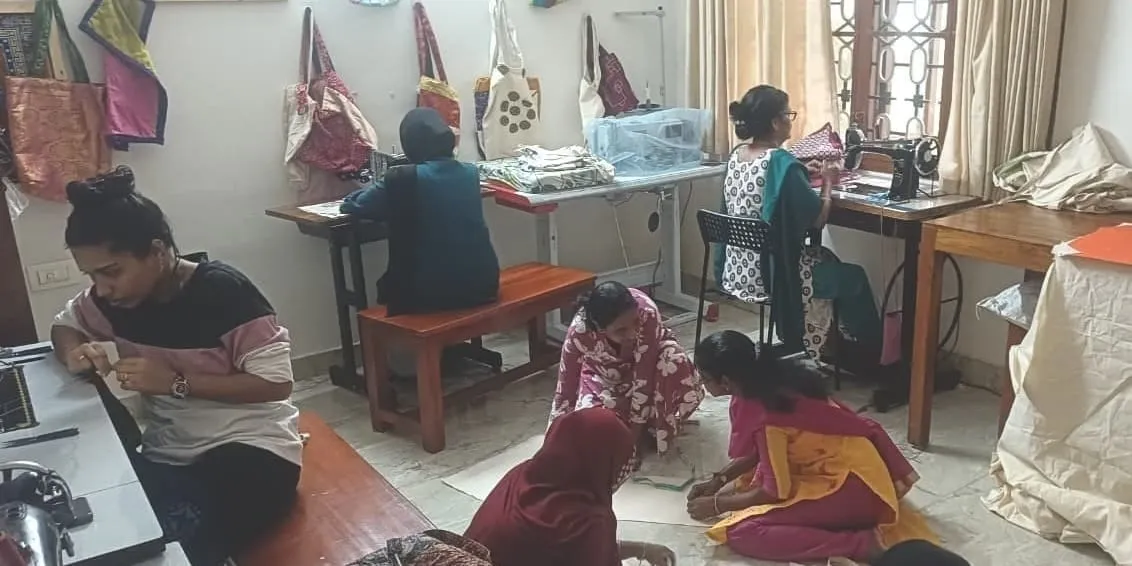
Another turning point came when Mary Gracy joined aikyam as a member of the stitching faculty. When she first arrived, she brought years of tailoring experience but little confidence in herself as a teacher. She had learned stitching largely by herself through practice at home. Teaching others seemed like an entirely different challenge.
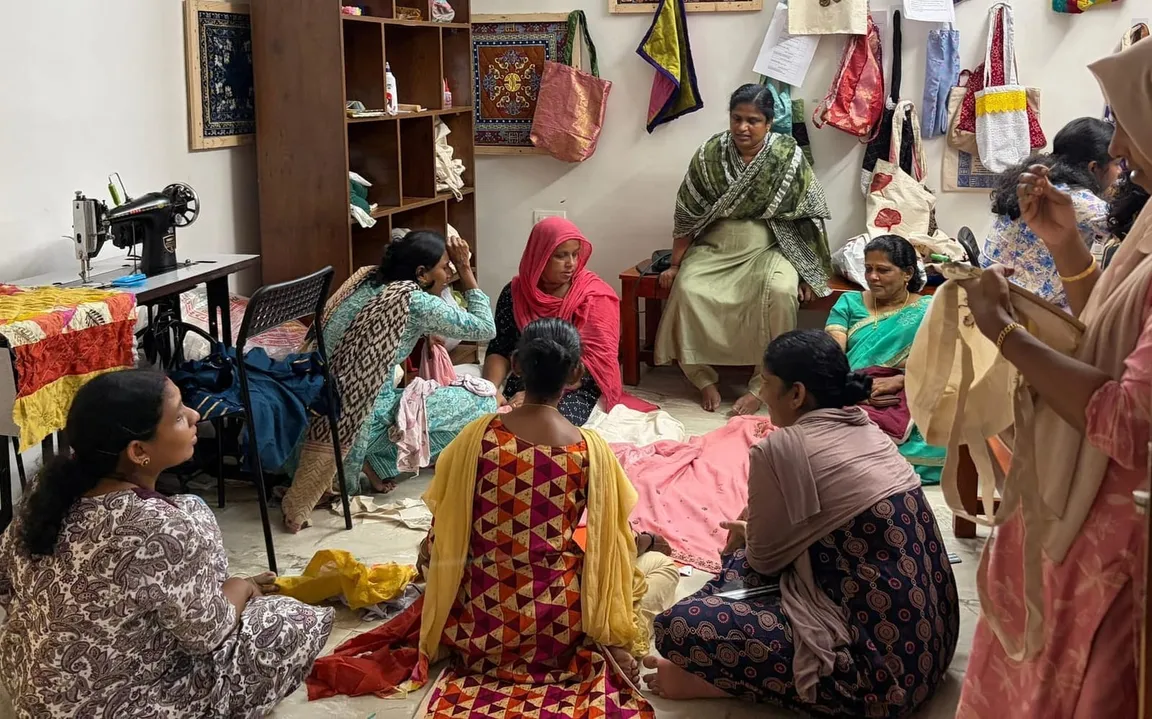
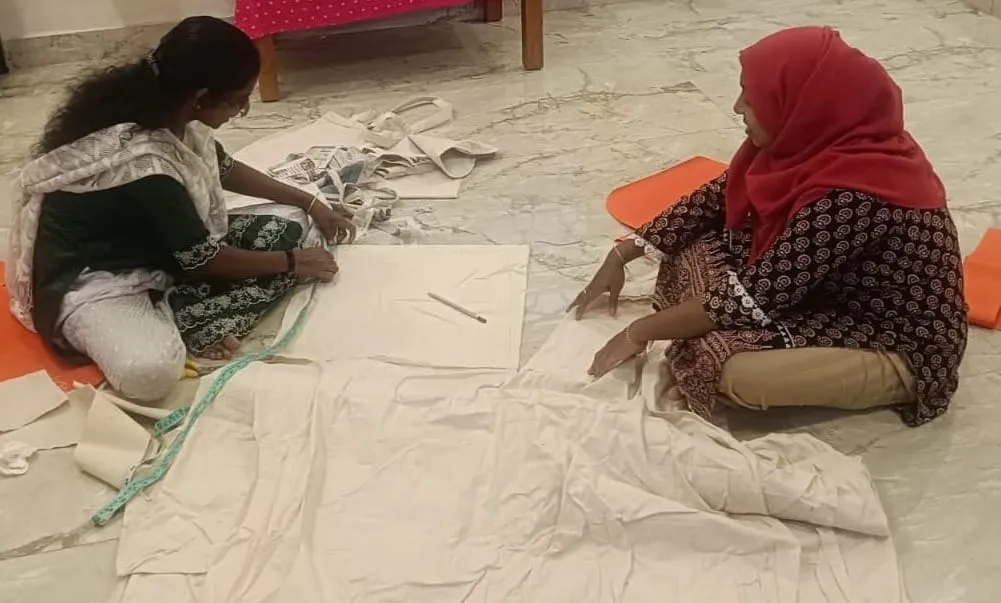
Aikyam allowed her not only to share a skill but also to discover a new version of herself. Today, she plays a vital role in training community members in stitching and bag-making. She teaches participants how to create tote bags, pouches, and other products from waste cloth saved from landfills.
What distinguishes Mary as a teacher is her approach. She does not believe learning should happen through fear or rigid instruction. Instead, she creates an atmosphere where mistakes are accepted as part of the process. More importantly, she never lets anyone call her “teacher”.
She often encourages learners to experiment, make errors and understand the logic behind their work. According to her, people learn best when they are free to think and discover solutions on their own. This patience has earned her the trust of her students. Many participants who arrive with little or no experience gradually gain confidence under her guidance. She takes pride not simply in teaching a technique but in helping people realise that they are capable of learning something new.
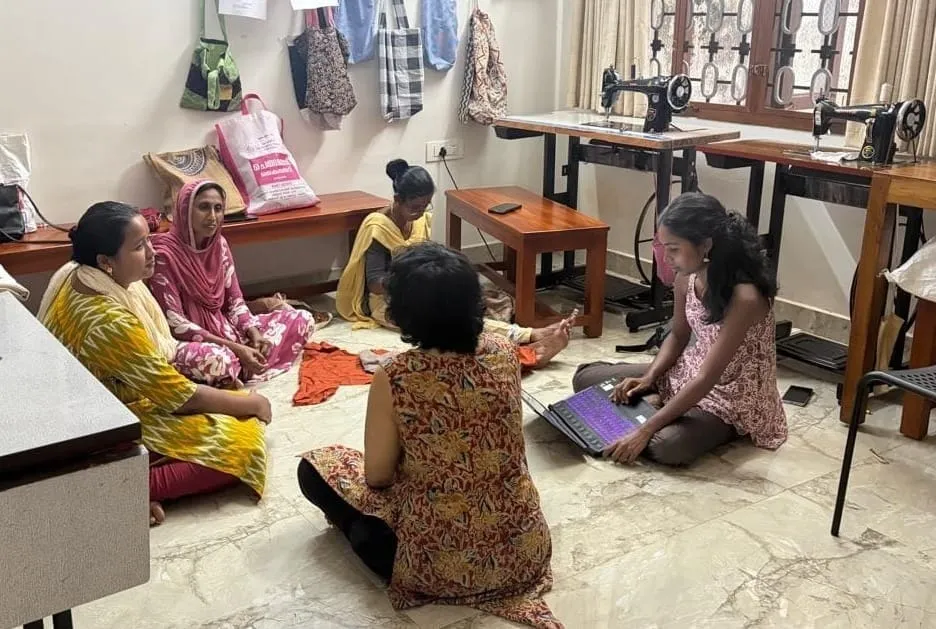
The stitching club serves not only as a learning space but also as a platform for entrepreneurship and skill development. Regular participants Saneera and Lijo speak warmly about their instructor, Mary, praising her patience and encouragement. Although neither had any prior experience with stitching, both are enthusiastic about learning.
Mary attributes their progress to their commitment, saying, “It is their genuine interest in learning that drives me forward every day.” Revathy, who already owns a sewing machine, says she never felt motivated to use it on her own. According to her, “It’s the coming together of so many women, the making of mistakes and sharing of knowledge that helped me gain confidence to start stitching bags.”
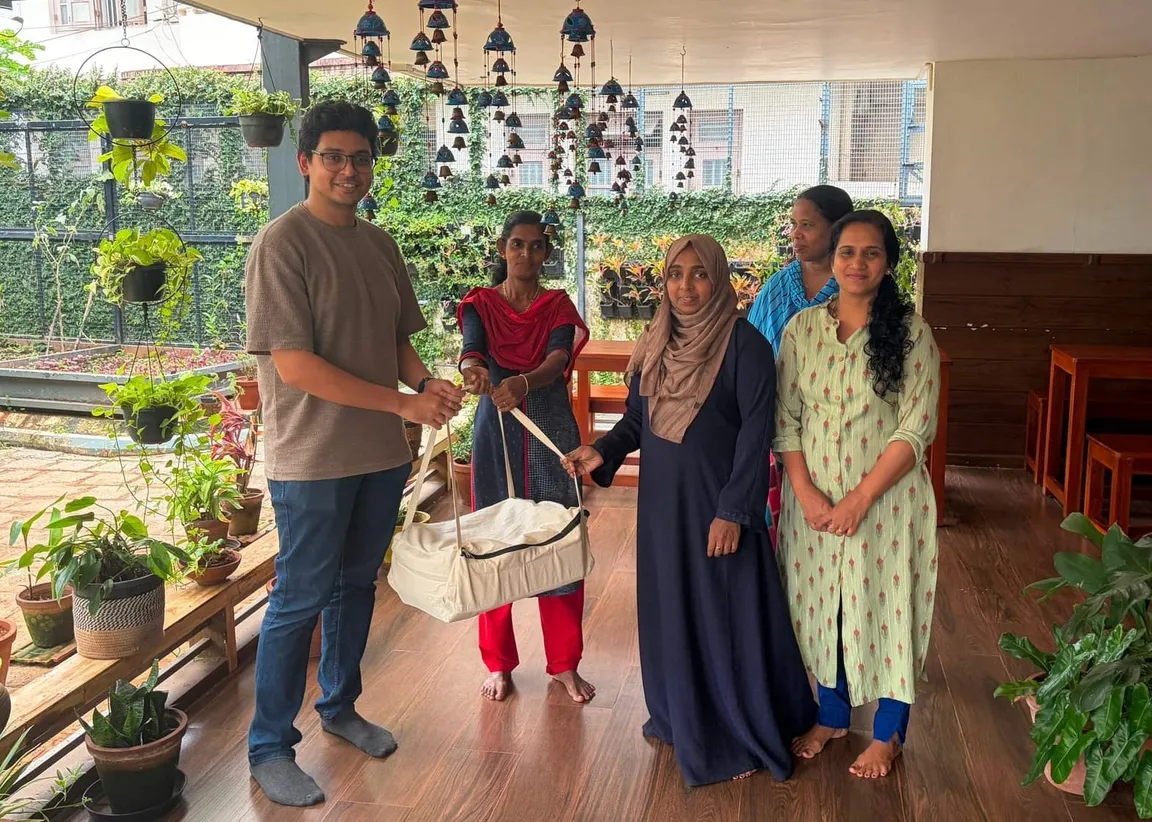
Many participants begin with little or no formal training, and the programme gradually guides them from basic repairs to creating products that can generate income. For women who may never have imagined themselves earning through stitching, these lessons become opportunities for independence and self-belief.
Turning the Page Again
Mary continues to balance work, family responsibilities and community involvement. Her journey has not been easy, but she rarely speaks about achievements in terms of personal success.
Instead, she measures progress by the lives she has been able to touch and the opportunities she has helped create for others. The girl who once eagerly read Arundhati Roy, M. Mukundan and Madhavikutty is slowly finding her way back to reading. She does not have the long, uninterrupted hours she enjoyed in her youth. Life remains busy, and there is always something demanding her attention.
Now and then, she picks up a book, turns a few pages and reconnects with a part of herself that never truly disappeared. Mary's life stands as a testament to the power of second chances, proving that growth often begins with the simple courage to take the first step again.
How can you help?
You can use the contact form below to reach out to the fellows directly. They would love to hear from you. A few words can go a long way. In fact, it's the only thing that holds us all together.

Proudly Not For Profit
Asking for donations is always difficult, especially if you are in India where asking for help is always seen as a sign of weakness. But, we believe that access to all the services aikyam provides should be forever free to amazing individuals like Mary. We are registered as a Not for Profit Company and do not charge any fee to anyone.
If you are somebody who feels that aikyam's work is important, please consider joining our Giving Circle and supporting our work with a monthly subscription. You can stop it anytime from your donation dashboard, no questions asked.
A large number of people like you giving small amounts of money over a long period of time is the way thousands of non profits like ours can continue working on difficult problems. In fact, it's the only way.
Thank you.


One more story like this one
You just read Mary Gracy’s story. Every fellow’s reaches your inbox the same way.