
Rahul Thomas| Theatre Saved Me
What happens when you walk away from a secure career to follow your calling? Rahul Thomas' journey reveals how theatre became far more than an art form: it became a path to being fully human.
What happens when you walk away from a secure career to follow your calling? Rahul Thomas' journey reveals how theatre became far more than an art form: it became a path to being fully human.

She was told the Chenda wasn't for girls. From challenging tradition to inspiring women across generations, her journey proves that talent knows no gender.
He first knew Chavittu Nadakam as the sound of home. What began with songs drifting through the evenings became a lifelong calling. Anson Kurumbathuruth's story is one of carrying a living tradition into the future.
What happens when theatre moves beyond auditoriums and into everyday life? The Sandbox Collective has spent over two decades proving that art can be a powerful space for belonging, dialogue, and change.

For Nimi Ravindran, art has never been merely about performance. It has been about asking difficult questions, creating spaces where people can meet without barriers, and holding on to memories that society often chooses to forget.
As the co-founder of Sandbox Collective, an arts organisation, Nimi has spent over two decades reimagining what theatre can be: not as an exclusive cultural product, but as a living, breathing part of everyday life. Her journey from a young theatre enthusiast to an arts practitioner, curator and director is as much about resilience as it is about imagination.
Falling in Love with Theatre
Nimi's introduction to theatre came during her pre-university years, when a professional theatre troupe from Bharat Bhavan, Bhopal, visited her college. Working with trained artists, performing plays by legendary playwrights such as Girish Karnad, Badal Sircar and Vijay Tendulkar, and travelling across cities with the troupe opened up a new world.
Like many young artists, she imagined spending her life on the stage. Reality, however, had other plans. Professional theatre in India rarely offers financial security. Unless one belongs to a commercially successful production, comes from privileged circles, or indulges in art as a hobby rather than a profession, sustaining a livelihood becomes difficult.
"I began to realise that passion alone wouldn't pay the bills," she reflects.
Journalism became her parallel career. What began as a practical decision to support herself eventually broadened her understanding of society. Working first for a women's magazine and later with India Today, she reported on art, architecture, culture and women's issues.
The two careers evolved together. While journalism sharpened her understanding of people and politics, theatre remained her creative home. Eventually she moved away from acting to directing, discovering that she wanted to shape artistic experiences rather than only perform in them.
Building an Ecosystem
By 2013, after directing several productions, Nimi and her long-time friend and collaborator Shiva Pathak began asking a larger question. Why should theatre exist only from one production to the next? Most productions, she observed, would run for five or six performances before disappearing. Artists would return to unrelated jobs, waiting for the next opportunity.
Instead of making another play, Nimi and co-founder Shiva wanted to build an ecosystem where theatre professionals like themselves could work continuously, collaborate regularly and imagine sustainable careers. This vision became Sandbox Collective. The organisation never set out to become a large institution. Quite the opposite.
"We wanted to remain small enough to stay meaningful," she says.
Their philosophy challenged many conventions of the performing arts. Rather than relying solely on auditoriums, Sandbox Collective took performances into homes, offices and intimate community spaces. Audiences often numbered no more than twenty people. There were no elaborate lighting systems, no stage barriers and, in many cases, no tickets.
Instead, a simple box invited audiences to "pay what you can." The experiment wasn't driven by economics alone. It was about restoring intimacy between performers and audiences. In these small gatherings, theatre stopped being entertainment consumed from a distance. It became a shared experience where artists and audiences invested in each other.
Making Art Feel Like Home
From 2014-2024, the Sandbox Collective performed hundreds of shows across venues, in India and abroad. They curated about five theatre festivals, programmed for several venues, ran workshops and did a host of other things. The pandemic made them want to create a small space of their own that is rooted in the neighbourhood: Studio 345.
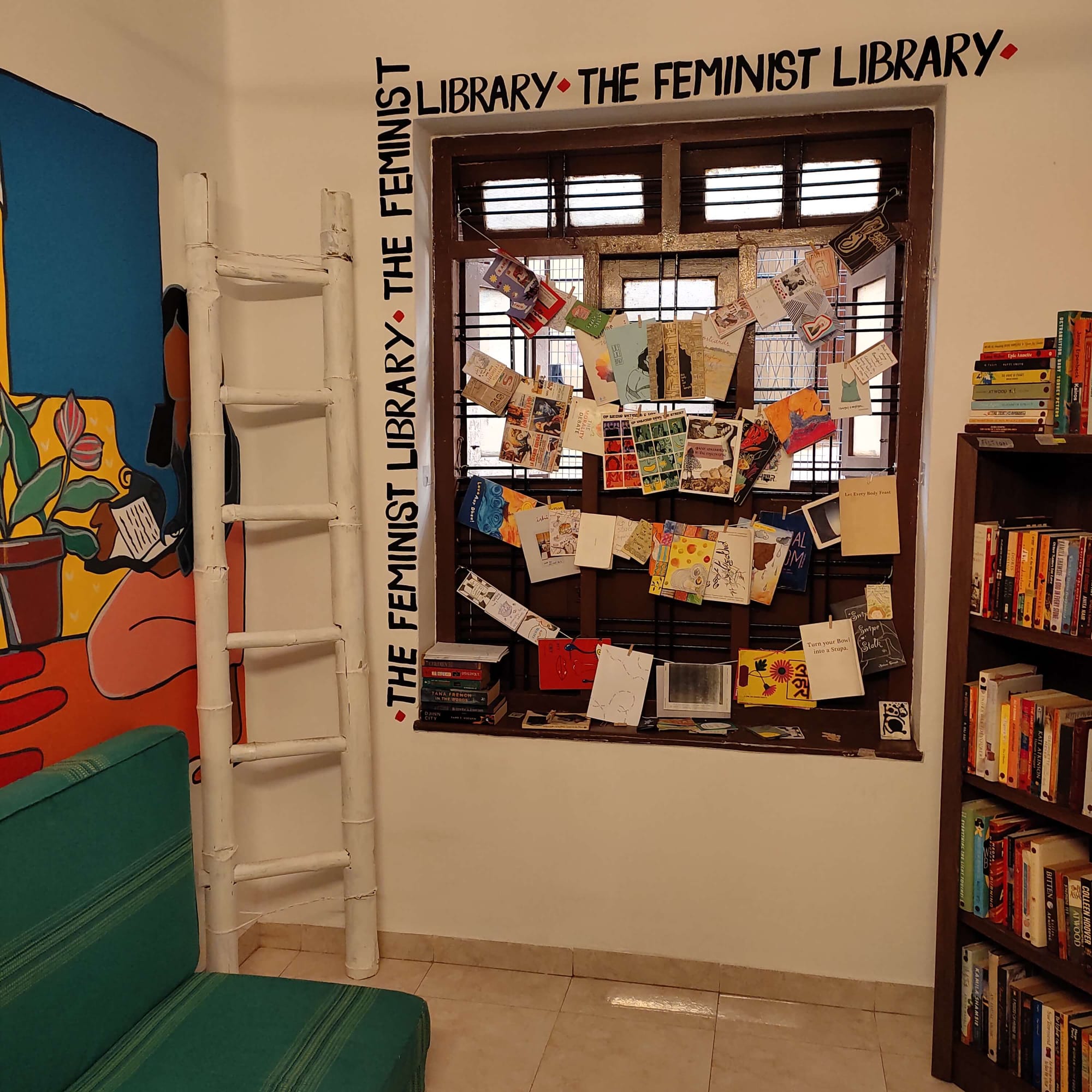
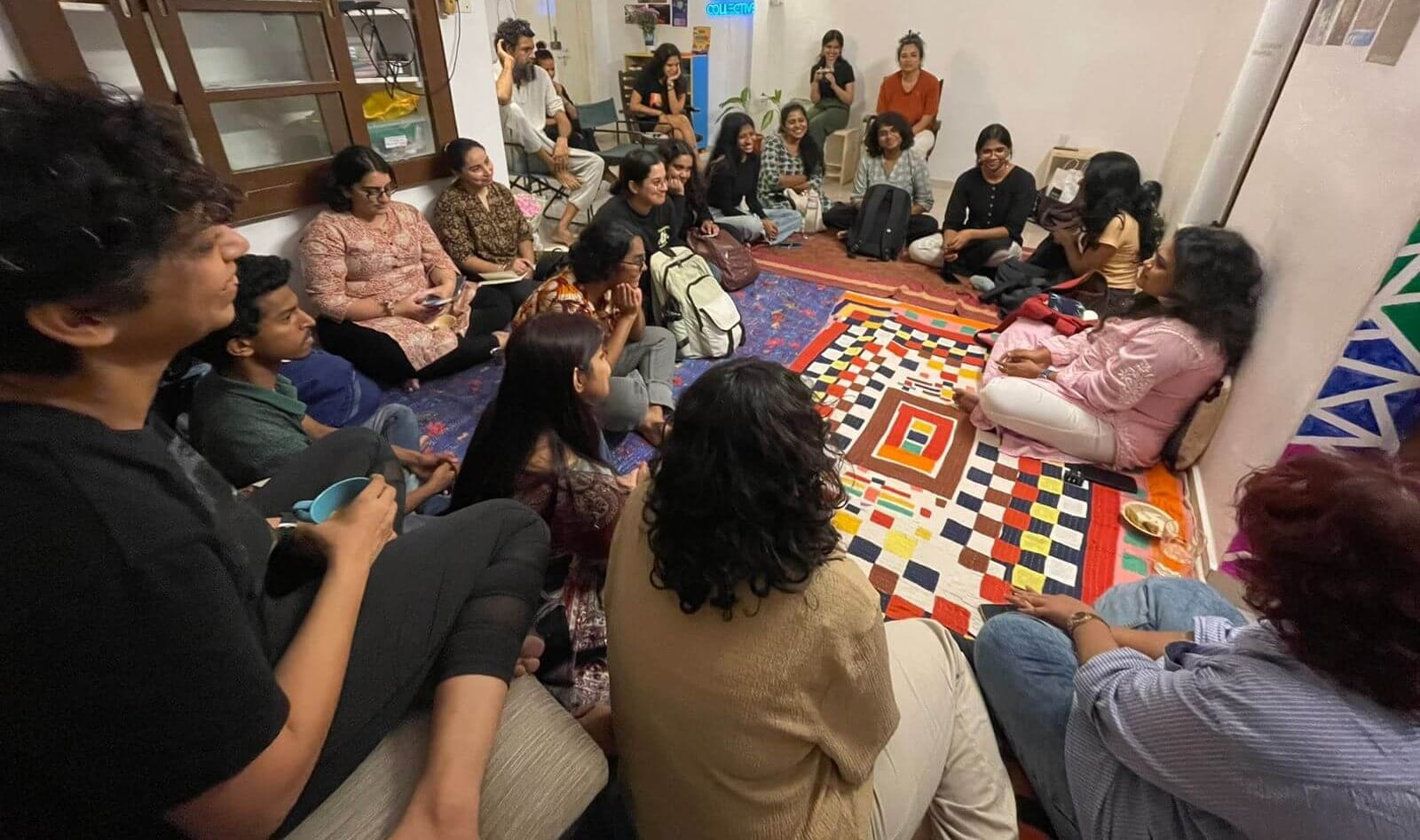
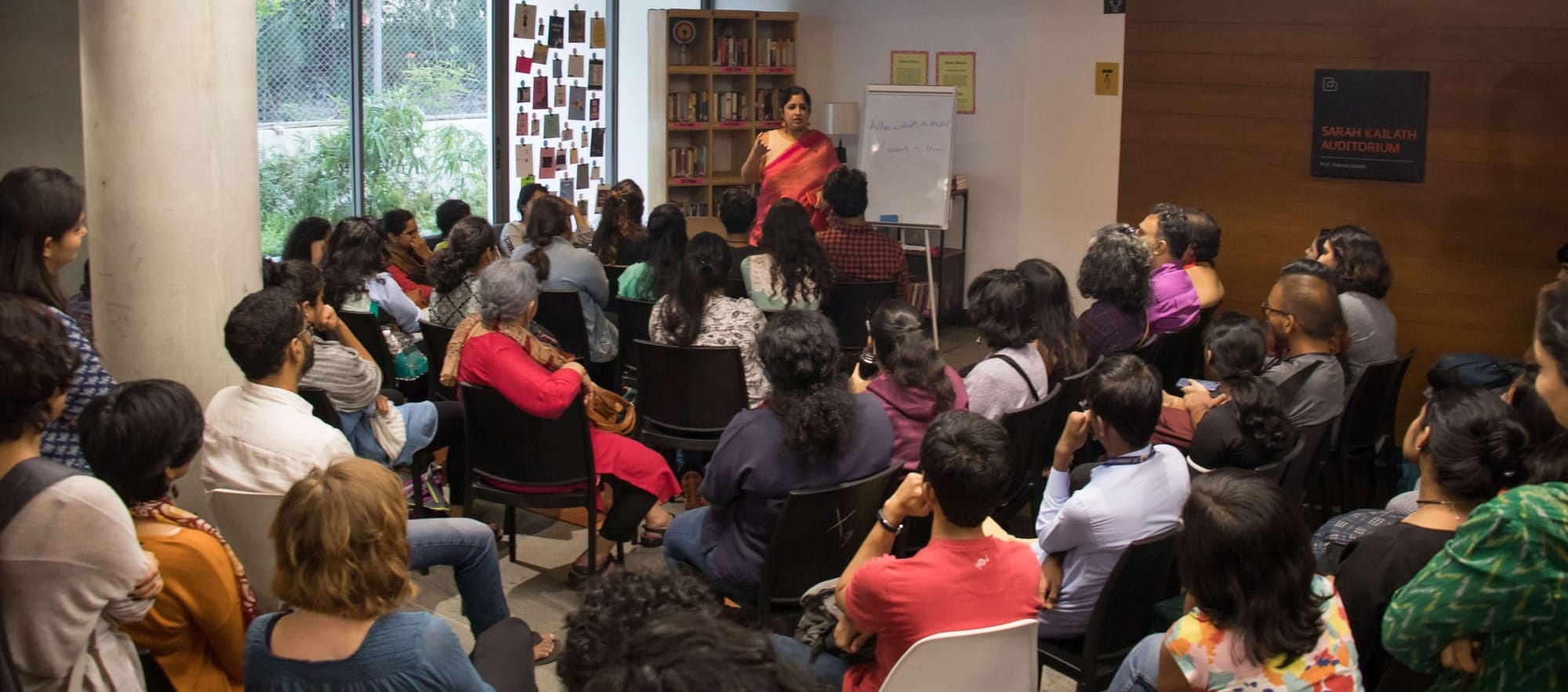
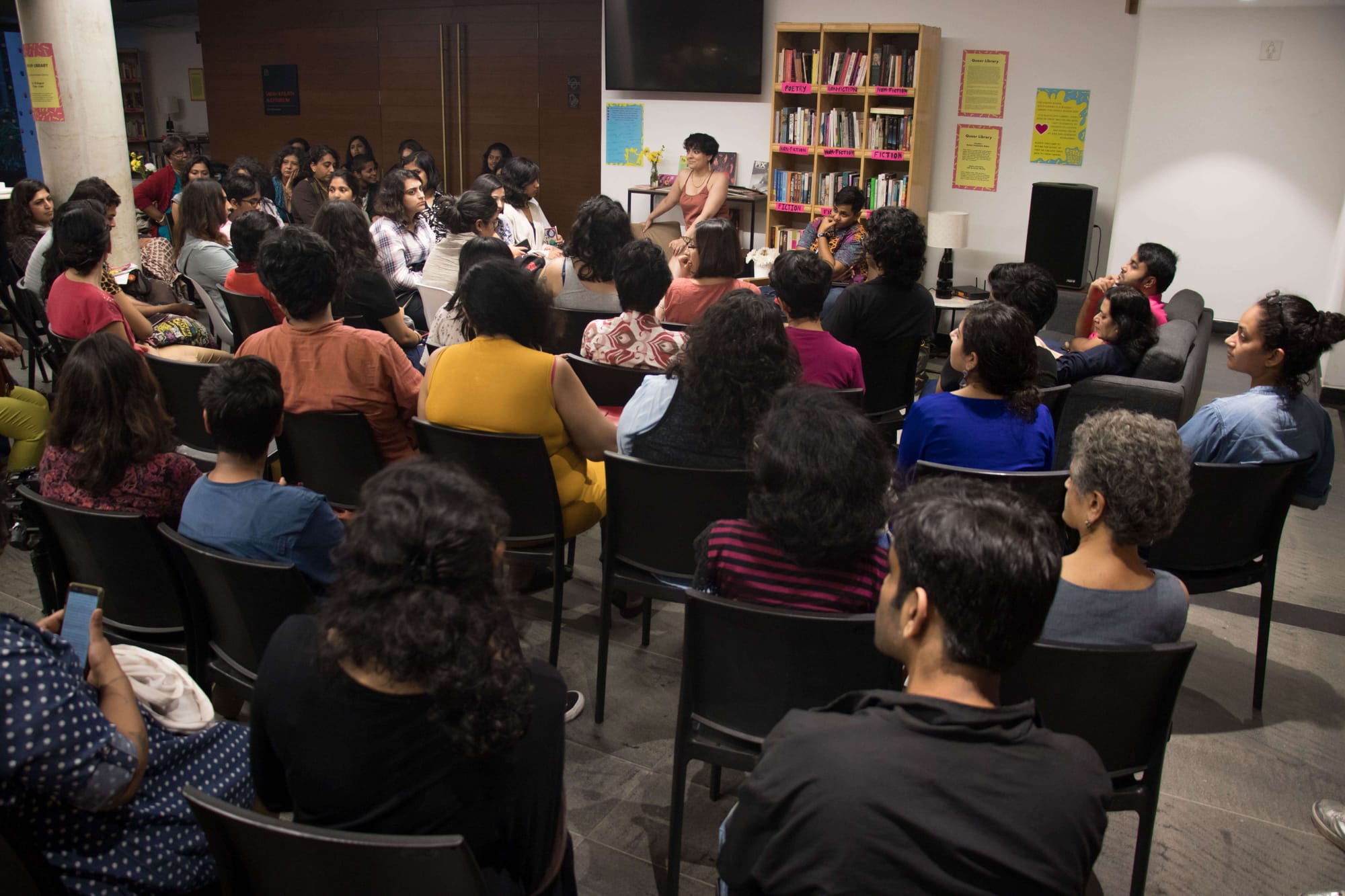
More than an arts venue, it became a neighbourhood space where creativity and community could coexist. A feminist library, reading sessions, film screenings, workshops, conversations and performances all found a home there. The space also includes a community kitchen and garden.
The Sandbox Collective’s idea of accessibility goes far beyond free entry. Many contemporary art spaces, she observes, unintentionally communicate exclusivity through architecture, language and social codes. Glass buildings and polished interiors can discourage people who feel they do not belong.
Studio 345 attempts the opposite. She wants the tea seller outside, the carpet vendor walking down the street, students, artists, academics and neighbours to all feel equally comfortable entering the space. It is an experiment in what she calls "inclusive architecture"—creating environments where belonging does not depend on class, language or cultural confidence.
The collective also intentionally wants to stay small and not scale up. For Nimi, growth is not always measured by scale. Sometimes it is measured by the depth of conversations a space can nurture.
Feminism as Practice
Although Sandbox Collective is widely recognised as a feminist organisation, Nimi says the identity emerged organically rather than through deliberate recruitment. Over time, women and gender minorities naturally became the overwhelming majority of collaborators. This was less about policy than about culture.
The organisation's emphasis on care, collaboration and openness attracted people looking for safer, more equitable creative spaces. Its flagship Gender Bender festival reflects these values, encouraging artists to question assumptions about gender, identity and power through performance, visual arts and public dialogue.
International collaborations have expanded these conversations, including exchanges with Germany's feminist performance collective She She Pop, exploring themes of hospitality, colonial histories and what it means to be both guest and host across cultures. Rather than offering simplistic answers, Nimi and team prefer complexity. History, she believes, is messy. Identity is layered. Art should make room for nuance.
Like many artists, Nimi experienced a profound crisis during the COVID-19 pandemic. Watching migrant workers walk hundreds of kilometers home while theatres remained closed made performance itself feel inadequate. She, along with several others from Bangalore’s theatre community, joined relief efforts, helping with food distribution and community volunteering.
For a time, she believed she might never return to theatre. The experience forced her to rethink what art could mean during moments of collective crisis. Instead of spectacle, she became increasingly interested in memory.
Remembering What We Forget
This reflection eventually became the show “To Forget is to Remember is to Forget” —an interdisciplinary exhibition-performance inspired by her mother's struggle with early-onset Alzheimer's disease.
Over six years, Nimi watched her mother gradually lose language, recognition and identity. A woman who had once spoken six languages slowly forgot almost everything except how to breathe. The experience transformed Nimi’s understanding of memory itself.
The resulting work, with the collaboration of several artistic minds, combines films, installations and live performance rather than following conventional theatrical storytelling. Visitors encounter bottles containing forgotten fragments, erased words waiting to be rediscovered, old tape recorders playing songs across multiple languages, abstract films and symbolic imagery.
The project extends beyond personal grief. It asks what societies choose to remember—and what they deliberately erase. Historical violence, migration, language, identity and collective forgetting become part of the same conversation as one woman's fading memory.
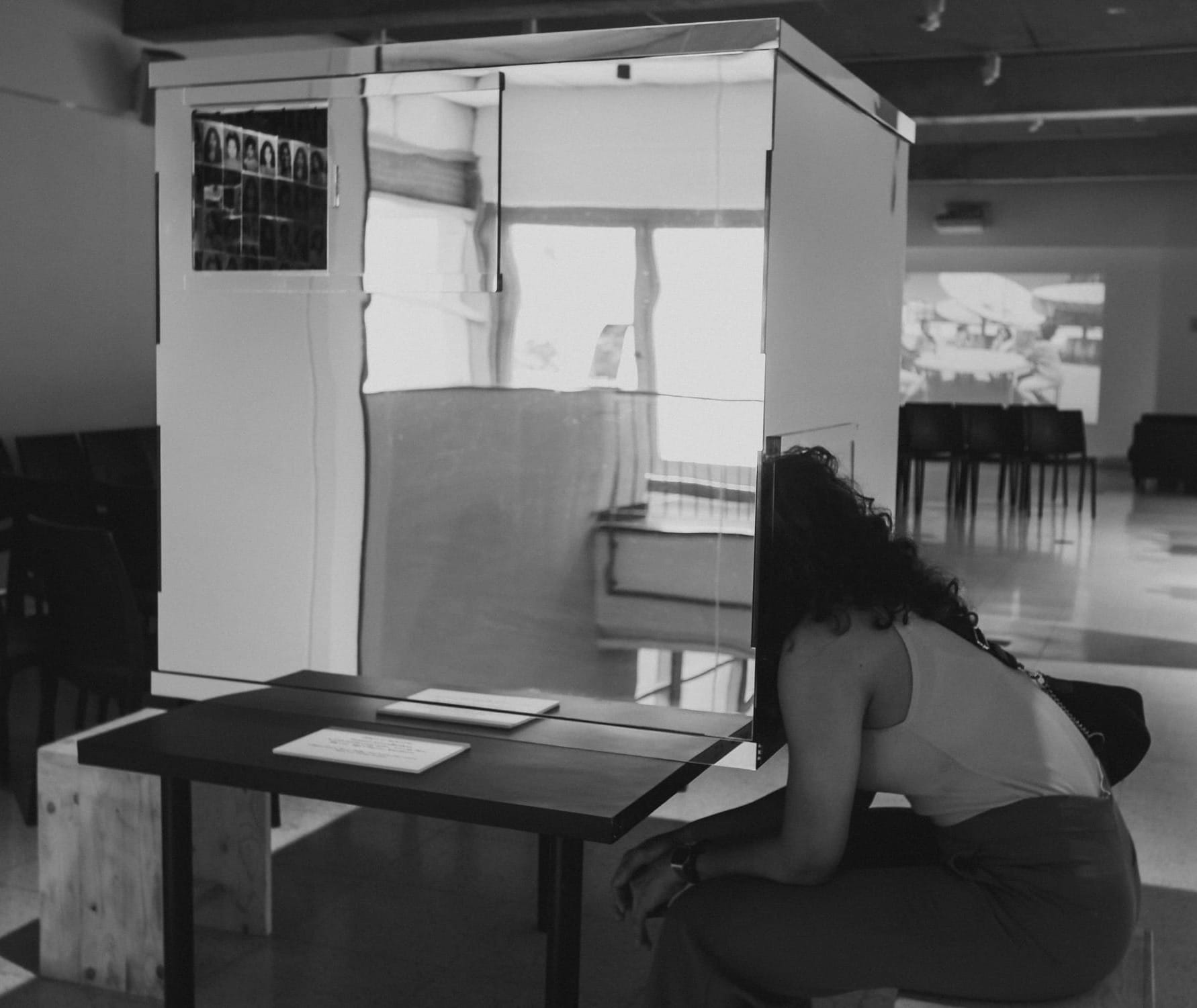
According to Nimi, personal memory and national memory cannot be separated. Both reveal who we are. Both shape who we become.
A Constant Reinvention
Financial uncertainty remains a constant reality. Grants end. Crowdfunding has limits. Artists continue balancing multiple professions to sustain creative work.
Yet Nimi refuses to romanticise struggle or complain about it. Instead, she sees adaptation as an essential artistic practice. "If one path closes," she suggests, "another will emerge."
Such a philosophy explains the name Sandbox Collective itself. A sandbox is a place where one can experiment without fear. Children build, dismantle and rebuild endlessly. Mistakes become part of play rather than failure.
For Nimi, art should offer the same freedom. Not perfection. Not permanence. Simply the courage to keep imagining new possibilities.
In an increasingly polarised society, she believes small spaces of conversation may matter more than grand institutions. Whether through intimate theatre, a neighbourhood library, feminist collaborations or a quiet installation about memory, her work insists that art is not separate from life. It is where communities gather, histories are questioned, forgotten voices return, and people discover that even the smallest spaces can hold enormous possibilities.

What happens when you walk away from a secure career to follow your calling? Rahul Thomas' journey reveals how theatre became far more than an art form: it became a path to being fully human.

He first knew Chavittu Nadakam as the sound of home. What began with songs drifting through the evenings became a lifelong calling. Anson Kurumbathuruth's story is one of carrying a living tradition into the future.

Filmmaker, theatre practitioner and cultural archivist Shilpa Mudbi has spent years listening to songs that rarely make it into history. Her journey reveals why preserving culture means protecting the communities that create it.

What if your greatest strength isn't what you study, but the people you connect with? Meet Mohamed Jasim C M, whose journey from engineering student to community space builder shows how the right people can change a life.
aikyam fellows inspire actions on important & urgent needs of the planet and underserved communities.