
Sentinaro ShiuA Heart that Listens
Sometimes, the people who change lives are simply the ones who know how to listen.
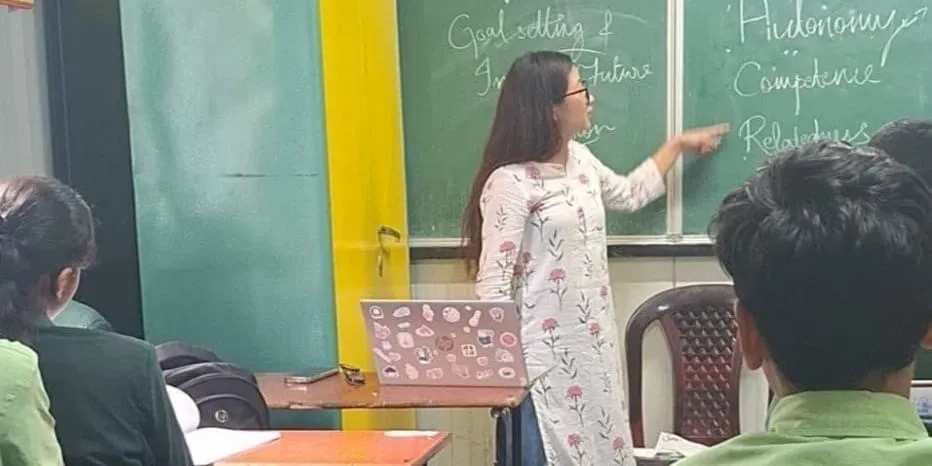
The conversations often began in the school corridors, under shady trees during lunch breaks, or after class when everyone else had gone home. Friends would quietly seek out Sentinaro whenever life became too heavy. They spoke about arguments at home, friendships that had fallen apart, insecurities they could not share with anyone else. She listened patiently, never rushing to offer solutions or passing judgment. One day, a friend looked at her and said, "I feel very understood when I talk to you." Those simple words lingered long after the conversation ended. At the time, Sentinaro did not know that this quiet ability to make people feel heard would one day shape her career. But the moment planted the first seed of what would eventually become her life's purpose.
A Childhood Shaped by Resilience
Sentinaro's story begins with a family that faced uncertainty but never lacked love. Her parents separated soon after she was born, leaving her mother to raise two young daughters on her own. Financial stability did not come easily. Her mother struggled through the early years without a steady job, and life was often difficult.
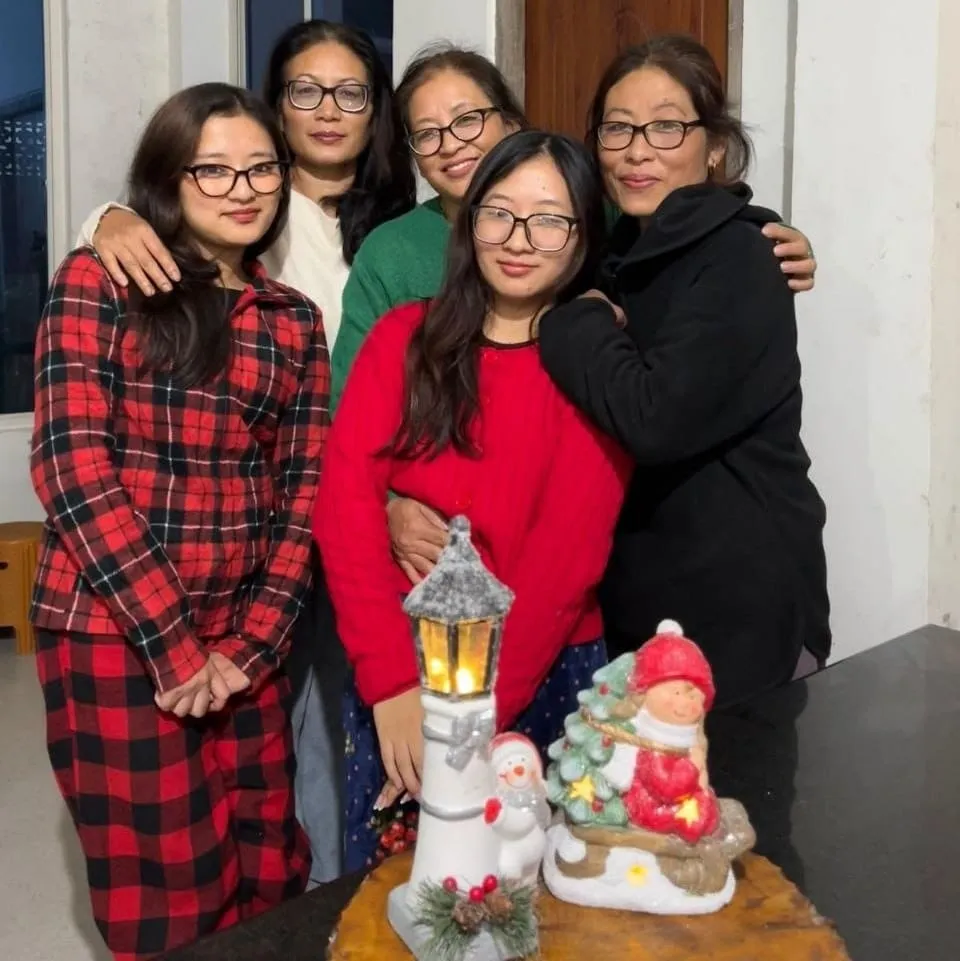
Yet, she never grew up feeling alone. Her extended family stepped in to fill every gap. Two uncles, two aunts, grandparents, cousins and siblings surrounded her with affection. Instead of growing up with one mother, she often says she grew up with "several mothers." Her aunts became caregivers, her grandparents became constant pillars of support, and together they created a home where she always felt protected despite the challenges around her.
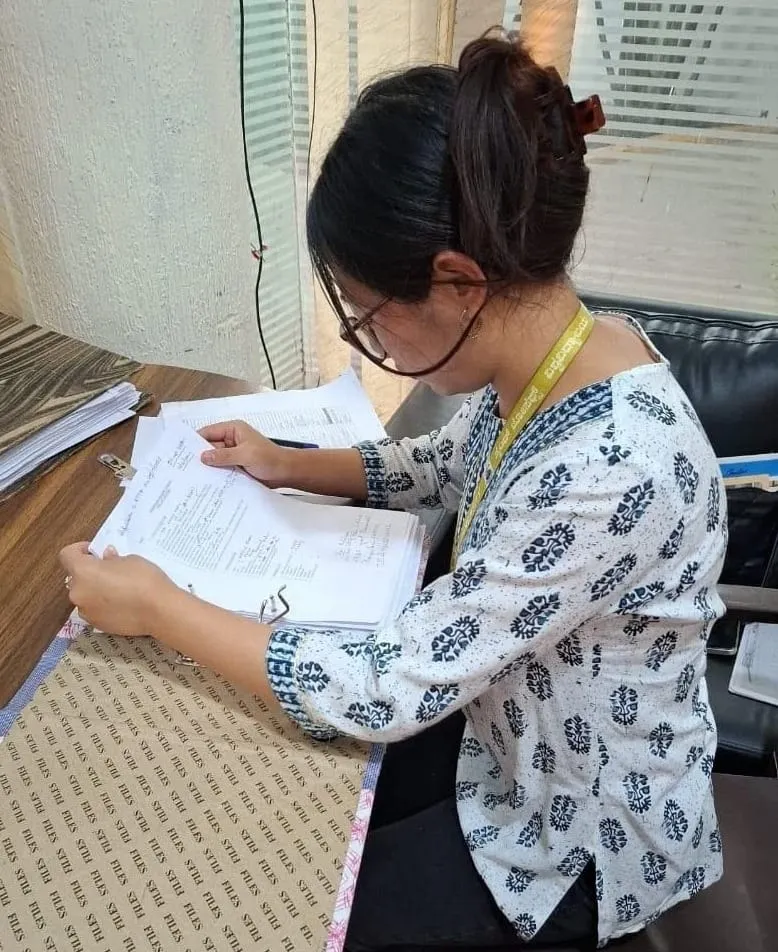
Losing both her grandparents taught her one of the biggest lessons: life is precious and unpredictable. It made her realise how important it is to cherish small momets and never take the people she loves for granted. Years later, when her mother became a teacher, life slowly found stability. Looking back, Sentinaro credits every member of her family for shaping the person she is today.
"They're all a big part of who I am," she reflects.
During Classes A to 10, Sentinaro studied at the same school where her mother taught. It was a familiar, comfortable environment filled with close friendships. Without realizing it, she became the unofficial counsellor among her classmates.
Whenever friends faced problems, they instinctively turned to her. She listened more than she spoke, trying to understand rather than judge. She found herself naturally empathising with people and making them feel safe enough to share their worries. The friend who told her she felt "understood" left a lasting impression.
Curious about careers that involved helping people, Sentinaro searched the internet for "psychiatrist." At that age, she knew little about the differences between psychiatry, psychology and counselling. What she knew was that she wanted to understand people better.
In Class 9, a visit from a mental health counsellor changed everything. The counsellor spoke to students about bullying, emotional wellbeing and the profession of counselling itself. For the first time, Sentinaro saw a clear pathway between her natural inclination to listen and a meaningful career. The possibility suddenly felt real.
Choosing Psychology
Although her higher secondary school did not offer psychology as a subject, Sentinaro remained determined. She enrolled in an honours programme in psychology in Nagaland, where supportive teachers nurtured her growing interest in mental health.
University life also revealed another side of her personality. Despite never seeing herself as someone who campaigned for leadership positions, she was elected Assistant General Secretary. The experience surprised her. Working within an organised system, collaborating with others and taking responsibility showed her that leadership did not always require being the loudest voice in the room. It also taught her that quiet people can lead effectively.
After completing her bachelor's degree, Sentinaro moved to Bengaluru for a Master's in Counselling Psychology at St. Joseph's University. The transition was anything but easy. The first year focused heavily on theory. The second demanded something much harder: applying the knowledge to real people with real struggles.
There were moments when the pressure became overwhelming. She questioned whether she could continue. She missed home and wondered if she had chosen a path that was simply too difficult.
"There were times I wanted to go back," she admits.
But resilience carried her through. She completed her dissertation and finished the programme. Looking back, she remembers it as the toughest phase of her education; but it was also the one that made her strongest. And today, she looks back on those difficult years with pride rather than regret.
Learning from Young Minds
Her first professional role was as a school counsellor, working primarily with students from Classes 6 to 12. The experience confirmed that she had chosen the right profession.
She observed that many girls found it easier to express their emotions openly, while boys often needed more time before they felt comfortable talking. Building trust with them required patience, consistency and genuine care. But when they finally opened up, the conversations became deeply rewarding.
Some students later returned simply to tell her that they had felt safe talking to her. These moments reinforced something she had begun to understand years earlier in school: that being heard can change a person's life. Knowing she could create a space where young people felt accepted became one of the most fulfilling aspects of her work.
As part of her master's programme, Sentinaro also studied workplace counselling, organisational behaviour, human resource practices and people management. These skills eventually led her into the corporate sector. She worked with talented colleagues and gained valuable professional experience.
Yet something felt missing. Although the work was meaningful in its own way, it did not align with her personal values. She struggled to imagine herself continuing in that environment for years. Instead of settling, she chose to search for work that reflected her deeper purpose.
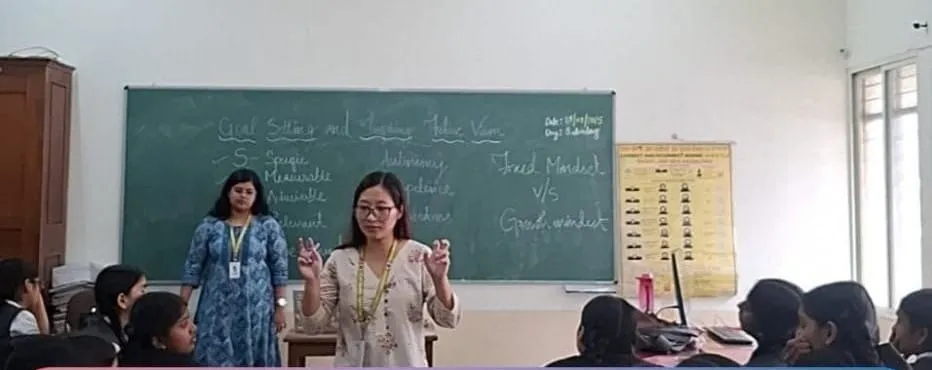
This search eventually introduced her to Shemeer, whose vision for helping young people resonated strongly with her own. She soon joined aikyam, where she now serves as a bridge between students and careers that create social impact.
The role feels deeply personal. After graduating, she herself had received little career guidance or placement support. Helping students navigate the uncertainty she once experienced feels almost like helping her younger self.
"I think I got my dream job," she says with a smile.
A Dream Larger than Herself
Interestingly, counselling was not Sentinaro's first career choice. She initially imagined becoming a psychiatrist before realising that medicine demanded strengths in science and mathematics that did not match her interests. Psychology offered a path better suited to her love for the humanities and for understanding human emotions.
She feels counselling remains her true calling. Yet her ambitions stretch far beyond individual therapy sessions. Growing up in Nagaland, she witnessed the persistent stigma surrounding mental health. Access to professional counselling remains limited, private practices are few, and many people continue to hesitate before seeking help.
She wants to change that. Her long-term dream is to pursue a PhD, establish her own counselling practice, create employment opportunities for mental health professionals and make quality mental health services more accessible in her home state. Rather than simply building a career, she hopes to build a system that supports others.
Changing Lives by Listening
Some careers begin with childhood dreams. Others emerge from unexpected moments. For Sentinaro, it began with friends who simply needed someone to listen. Years later, she continues to do exactly that, whether supporting students, guiding young professionals or dreaming of expanding mental health services in Nagaland.
The quiet schoolgirl who made people feel understood has become a professional dedicated to helping others find clarity, hope and belonging. And if her journey has taught her anything, it is that sometimes the most powerful way to change lives is not through having all the answers, but through offering someone the rare gift of being truly heard.
Contact us about Sentinaro Shiu
One more story like this one
You just read Sentinaro Shiu’s story. Every fellow’s reaches your inbox the same way.
More fellows in Education
- Manikandan C
Against All Odds
As the first Paniya MBA, he is now working to ensure that education and opportunity reach every corner of his…
- Mini M R
Reimagining Education
Helping children discover their voices, preserve their heritage, and believe in new possibilities.