
Aarthi VeerupillaiGiving Back
Helping young people find confidence, connection, and hope.
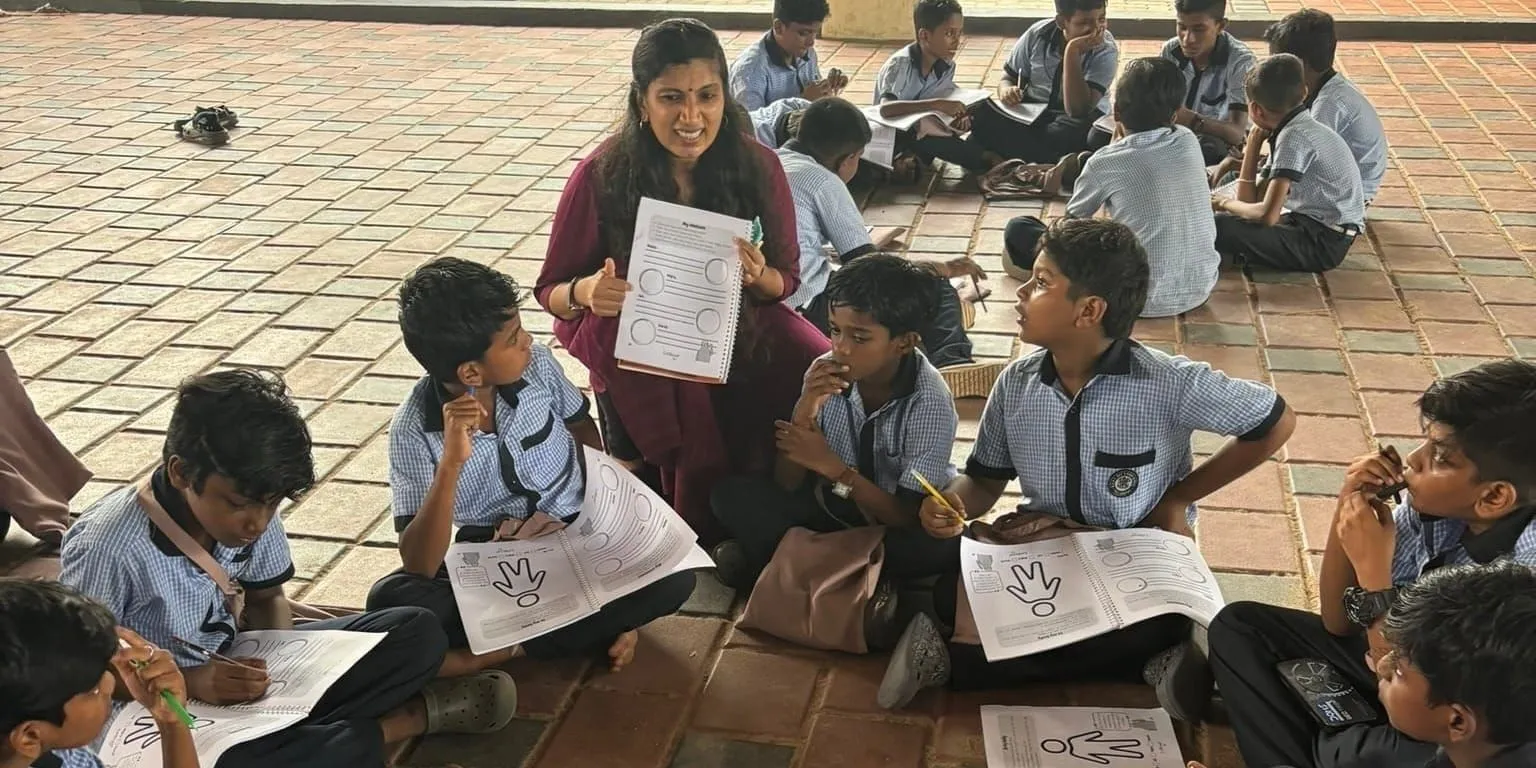
As a child, Aarthi Veerupillai had a surprisingly simple dream. Unlike most others of her age, she didn't dream of becoming a doctor, a scientist, or a social entrepreneur; she longed for the day she would be big enough to have an entire seat to herself in an auto-rickshaw instead of sitting on the side step.
She never imagined that her life would one day take her from Sri Lanka to London, then halfway across the world to Kerala, where she would build an organisation helping young people find confidence, connection, and hope.
Today, as the founder of Olimalar Foundation in Kochi, Aarthi works with children, parents, and teachers to strengthen emotional well-being and life skills. But the journey that brought her there was shaped by loss, resilience, unexpected detours, and a deep search for belonging.
Born to Sri Lankan Tamil parents, Aarthi grew up between cultures, eventually settling in London as a child. Despite the difficult circumstances surrounding her family's migration, Aarthi remembers a happy childhood.
"I was an extrovert," she recalls. "I spent more time with the older neighbours than children my age." Many of those childhood friendships continue even today.
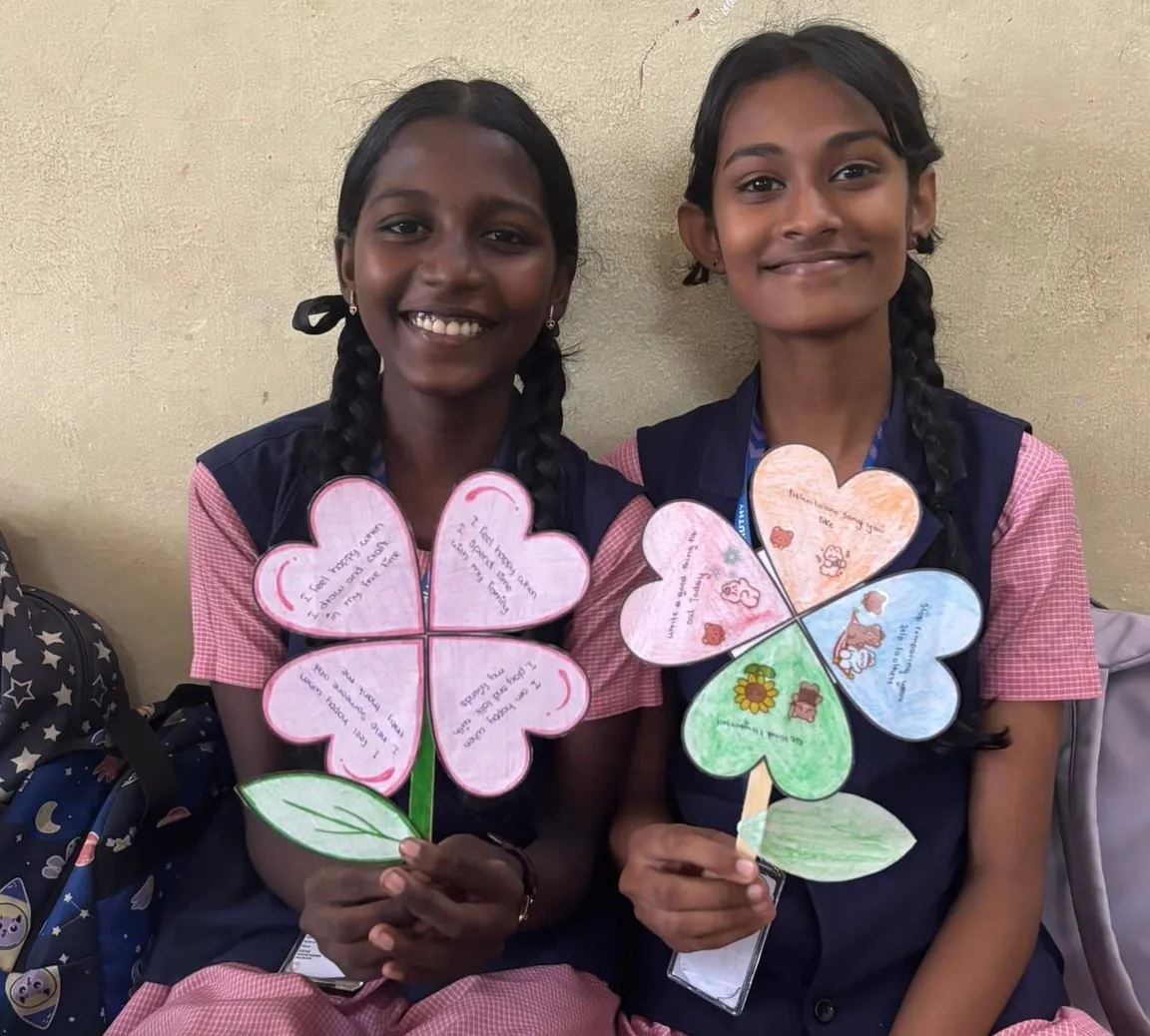
Life, however, had other plans. When Aarthi was about 12 years old, her mother was diagnosed with breast cancer. The family moved to London so she could receive treatment. The move changed everything. London was cold, unfamiliar, and lonely. The outgoing girl suddenly found herself struggling to fit in. She had no friends and faced a language barrier. The confidence that once came naturally slowly disappeared. Then came the greatest loss of her life. In 1999, Aarthi's mother passed away.
Her mother's death left a void that could never truly be filled. She had been the heart of the family, the one who made the house feel full, who made everyone feel seen. When she was gone, that warmth went with her. And without her, so much that had felt easy became quietly, painfully hard.
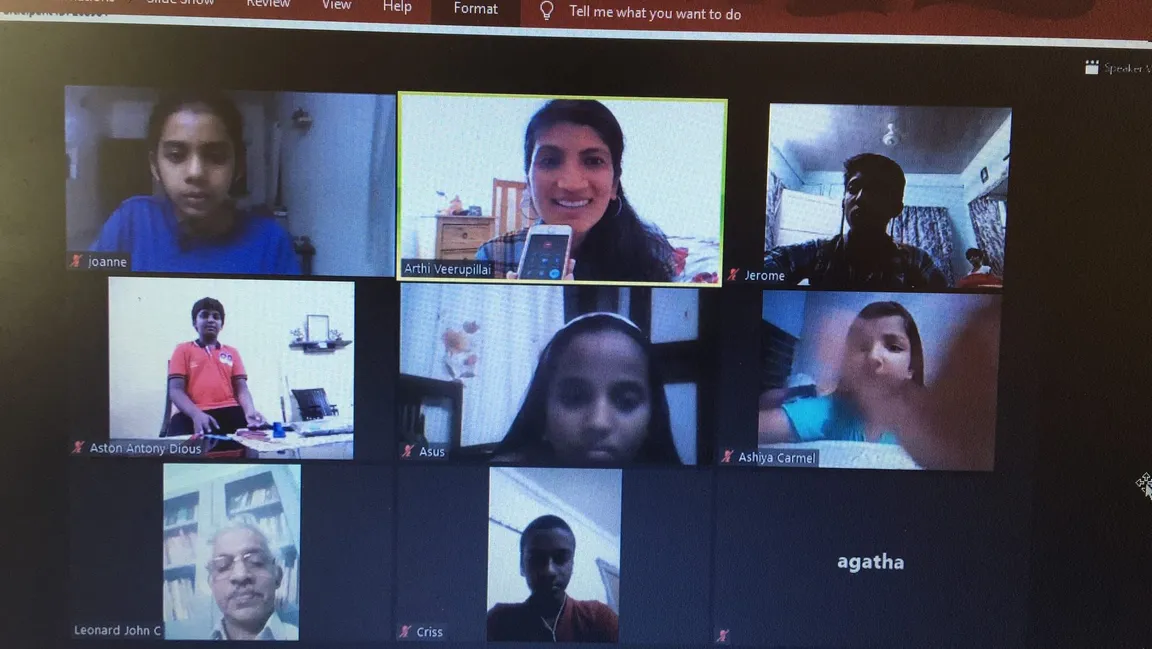
Just a year after losing her mother, Aarthi faced another blow. Her exams didn't go as hoped, and with them, her mother's dream of seeing her become a doctor. With no one to lean on, she regrouped quietly and enrolled in Medical Biochemistry instead. It was the first of many times she would have to find her own way forward.
The years that followed brought their own challenges, and through each one, she found herself drawing quietly on a resilience she hadn't known she had.
Inspired by her mother's generous spirit, she had already begun participating in charitable activities. As a child, she raised funds for leprosy projects in India. In London, she continued supporting fundraising campaigns whenever she could.
After graduating, Aarthi enrolled in a Master’s degree in Oncology, driven partly by curiosity and partly by grief. She wanted to understand the disease that had taken her mother. That search led her into cancer research, where she hoped to help find better treatments. But she soon discovered a different challenge. Many people could not understand the complex information surrounding medical research and clinical trials. The problem wasn't always the science. It was communication.
Determined to bridge that gap, Aarthi moved into healthcare marketing and public relations. She attended evening classes and earned additional qualifications while working. Her role involved translating complicated medical language into simple, accessible information for ordinary people. At a later point in her career, she would do just the reverse, transforming everyday language into professional communication for healthcare experts.
The experience taught her a valuable lesson: knowledge only creates change when people can understand it. This insight would later become one of the foundations of her work with children. Her career was progressing well, but she continued searching for something more meaningful. The turning point arrived unexpectedly.
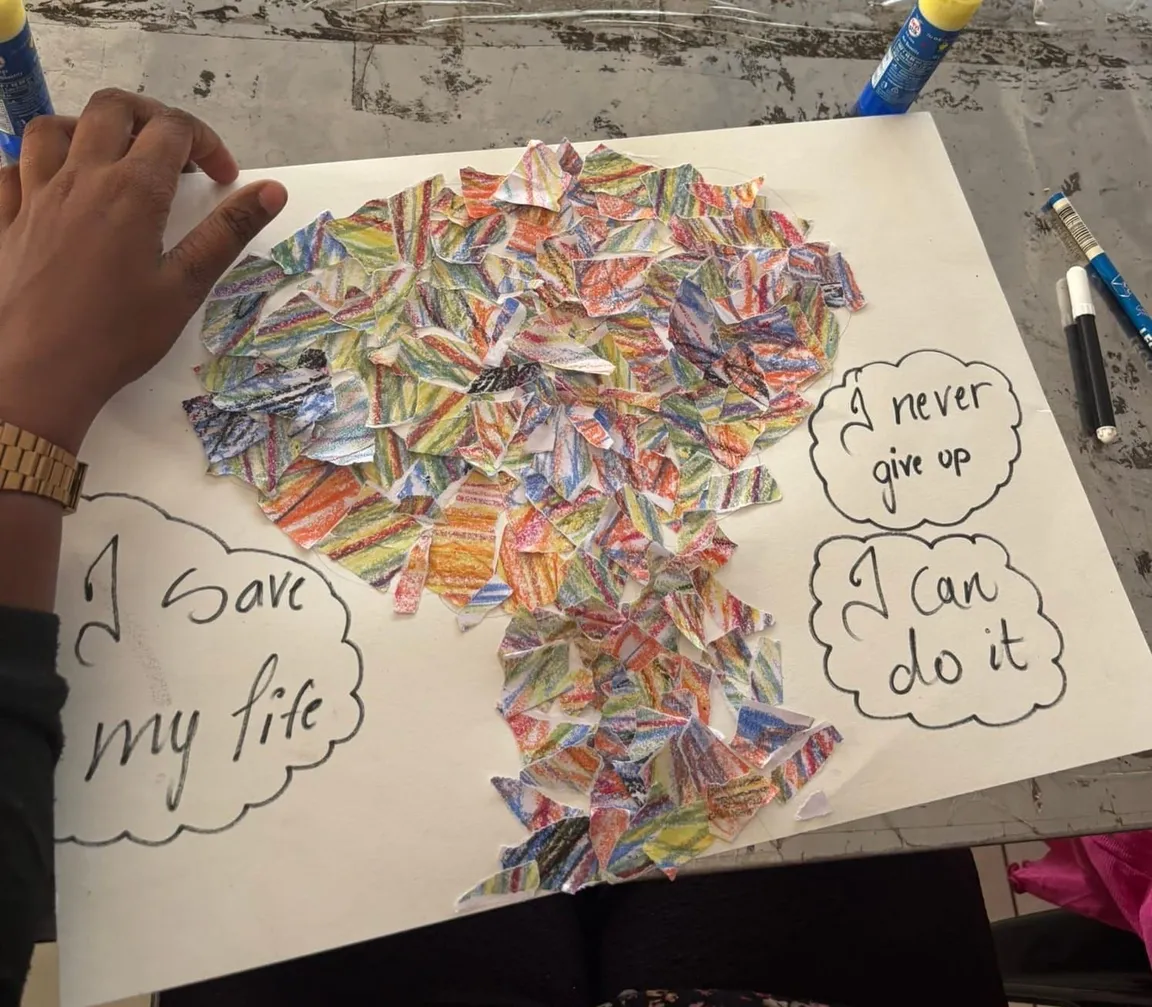
While working in medical PR, she travelled to Uganda as part of a volunteer initiative. There, she taught storytelling to large groups of children. For the first time, she experienced the joy of working directly with young people. She loved the energy, the creativity, and the connection she felt with the children. Still, she wasn't ready to make it her life's work.
Back in London, challenges continued. That was when a friend suggested they travel together. The plan seemed simple enough: volunteer for a while in India, then continue to South East Asia and back to London. But destiny was waiting in Kerala.
When Aarthi arrived in Fort Kochi, something clicked almost instantly. "It felt like home," she would later say.
She spent two weeks teaching life skills and immersing herself in the local culture. What began as a short volunteer assignment soon evolved into something much bigger. She was offered a role in a women's empowerment programme and found herself increasingly drawn to community-based work.
During this time, she also met George, a local programme coordinator whose warmth, creativity, and ability to connect with people left a lasting impression. Long after work ended, the two would sit discussing education, community development, music, and ideas for creating more meaningful experiences for young people.
Together, they began designing activities that translated complicated life concepts into simple, engaging exercises for children. Drawing on her communications background, she focused on making emotional learning accessible and interactive. After briefly returning to London to support her family and save money, she made a bold decision to return to Kerala, one that many questioned. It was a huge leap of faith. But then came an unexpected administrative restructuring. The international programs were abruptly paused, and local projects were suspended mid-cycle. With a heavy heart, she returned to London, unsure when she would be able to return to the classrooms she had grown to love.
It was a difficult period. The distance from Kerala weighed on her, and life in London felt increasingly lonely. The work that had given her a sense of purpose had come to an abrupt end, and she often found herself questioning where she belonged and what came next.
That Christmas, she volunteered for Crisis at Christmas, an initiative that provides homeless people with shelter and support during the holidays. Showing up for others at one of the hardest times of their lives taught her something unexpected: that helping people find their feet could also help you find your own.
The experience gave her renewed clarity. Determined to turn her ideas into something sustainable, she joined a startup accelerator programme to learn how social enterprises are built and trained as a mental health educator. She immersed herself in research, exploring education models, social-emotional learning, and life skills education, while learning from organisations such as Life Skills Education Charity, Dream a Dream and Apni Shala.
The Birth of Olimalar
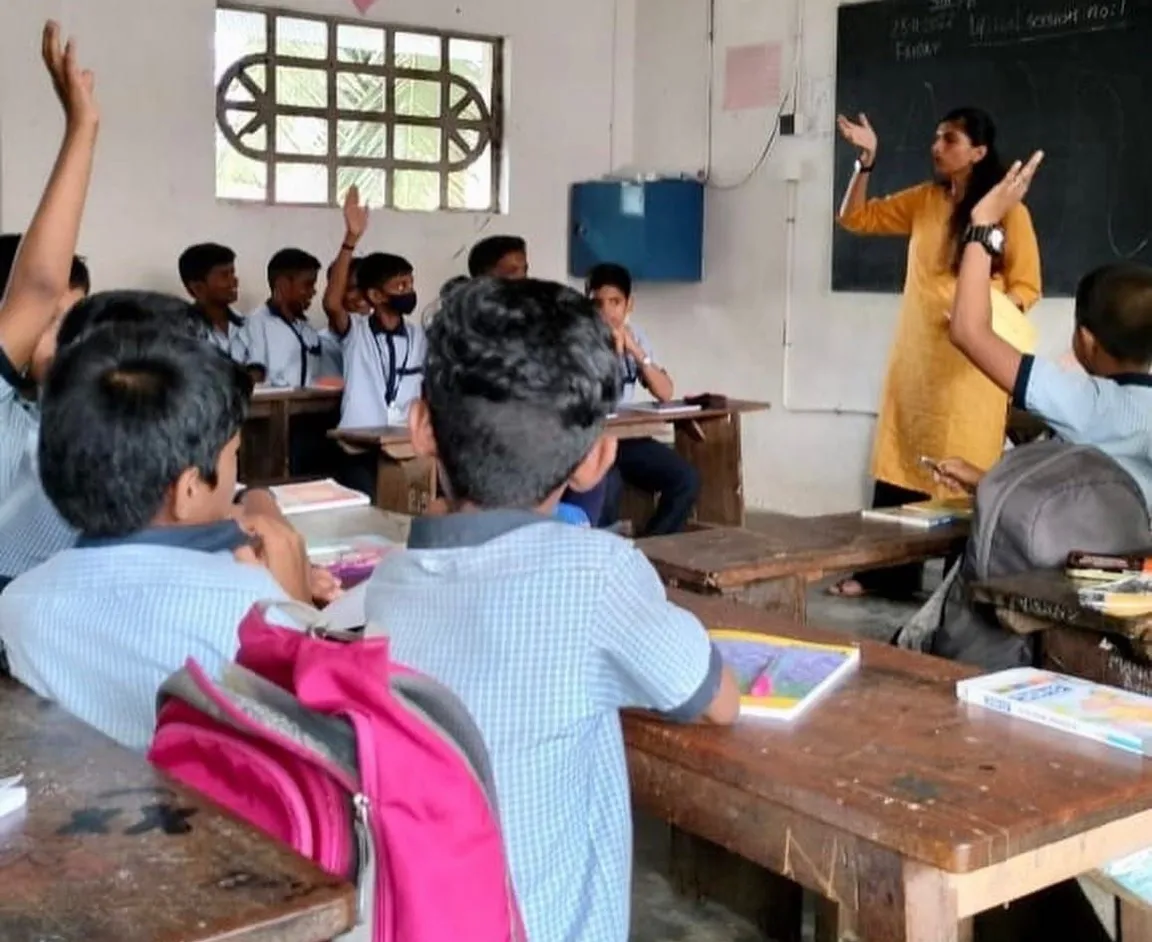
In Kerala, she reconnected with George. Together, they had worked in education and youth development. Aarthi began imagining a different model, one that focused on consistency, emotional well-being, and sustainable community engagement.
Then came another unexpected obstacle. On February 18, 2020, she officially resigned from her job to pursue her vision. Just weeks later, the world shut down because of COVID-19. Unable to return immediately to India, Aarthi adapted her plans.
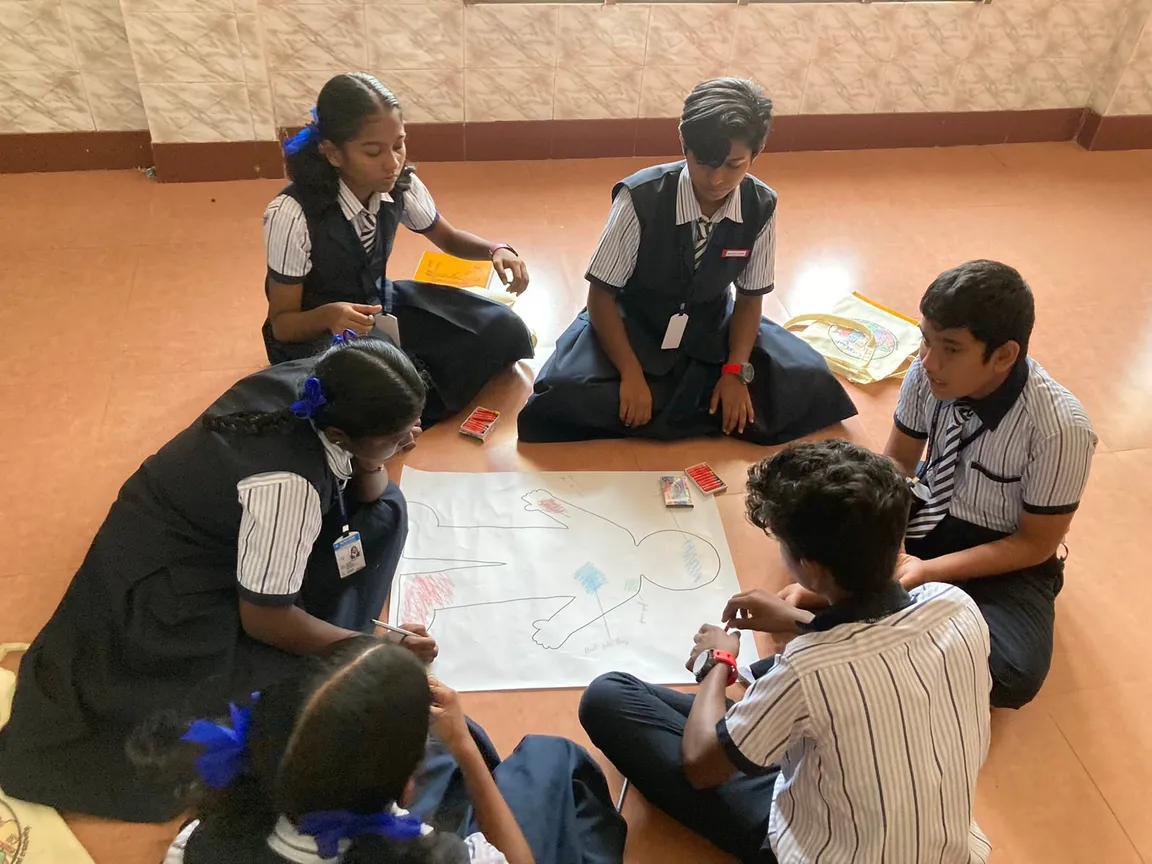
She launched an online platform called "LifSkool" during lockdown. The name was intentionally misspelt, as she wanted young people to know that making mistakes was perfectly okay. Through online videos and virtual sessions, she introduced topics like writing gratitude letters, meditation exercises, games that helped family members bond with one another, emotional awareness, and simple breathing exercises.
Together with George, she organised an online circus fundraiser with Performers Without Borders. The initiative raised money for books, educational materials, and mobile phones for students who lacked resources. What started with around 20 students quickly grew into a wider community over the course of many years. Parents began reporting noticeable changes in their children. They were becoming more confident, expressive, and emotionally aware.
Encouraged by the response, Aarthi developed a structured life-skills curriculum designed to support children over a ten-week learning journey. George helped adapt the material to fit Kerala's cultural context. Determined to strengthen her credentials and address critics who questioned her expertise, Aarthi completed the highly respected Teach First teacher training programme in the UK.
“That experience changed me,” she says. “It taught me how to genuinely connect with young people.”
As COVID restrictions eased, the LifSkool gradually moved offline into classrooms in Kerala. Finally, on October 3, 2024, the Olimalar Foundation was officially registered. Today, the organisation is led by a small but dedicated team consisting of Aarthi, George, and Anu, a local primary school teacher.
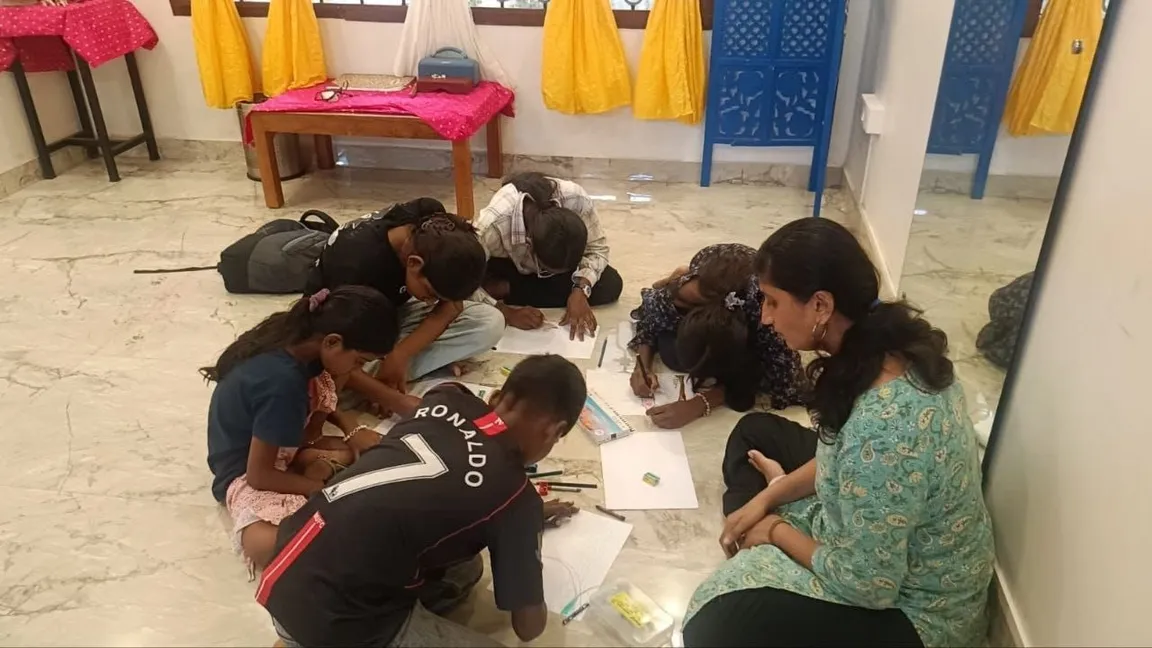
The foundation focuses on children who need additional support rather than only high-achieving students. And through programmes like LifConnect, it also engages parents and communities, recognising that children's well-being depends on the ecosystem around them. The organisation collaborates with artists, educators, and schools to make social-emotional learning more creative and accessible.
Despite reaching over 3,000 people through more than 100 sessions, Aarthi remains grounded. Her vision is not about rapid expansion or impressive numbers. It is about meaningful impact, sustainable growth, and helping children develop the life skills needed to navigate life.
For Aarthi, the biggest milestone was deeply personal. Her father, once worried about her unconventional path, recently looked at everything she had built and said he could hardly believe it all started from her bedroom. “It meant everything to me,” she says.
In many ways, Olimalar reflects Aarthi's own journey. A child searching for belonging. A teenager shaped by grief. A scientist who became a communicator. A volunteer who found a home in Kerala. And a woman who transformed personal loss into a mission that now helps others find confidence, connection, and hope. And for Aarthi, the journey has only begun.
How can you help?
You can use the contact form below to reach out to the fellows directly. They would love to hear from you. A few words can go a long way. In fact, it's the only thing that holds us all together.

Proudly Not For Profit
Asking for donations is always difficult, especially if you are in India where asking for help is always seen as a sign of weakness. But, we believe that access to all the services aikyam provides should be forever free to amazing individuals like Aarthi. We are registered as a Not for Profit Company and do not charge any fee to anyone.
If you are somebody who feels that aikyam's work is important, please consider joining our Giving Circle and supporting our work with a monthly subscription. You can stop it anytime from your donation dashboard, no questions asked.
A large number of people like you giving small amounts of money over a long period of time is the way thousands of non profits like ours can continue working on difficult problems. In fact, it's the only way.
Thank you.


One more story like this one
You just read Aarthi Veerupillai’s story. Every fellow’s reaches your inbox the same way.
More fellows in Education
- Sentinaro Shiu
A Heart that Listens
Sometimes, the people who change lives are simply the ones who know how to listen.
- Manikandan C
Against All Odds
As the first Paniya MBA, he is now working to ensure that education and opportunity reach every corner of his…