
Sentinaro Shiu | A Heart that Listens
Sometimes, the people who change lives are simply the ones who know how to listen.
Sometimes, the people who change lives are simply the ones who know how to listen.

What happens when you walk away from a secure career to follow your calling?
A journey about why preserving culture means protecting the communities that create it.

Shilpa Mudbi never imagined that her life's work would begin with filmmaking and slowly transform into something much larger: a lifelong effort to protect disappearing songs, document forgotten histories, and question who gets to represent culture. Today, she stands at the intersection of art, activism, theatre, and archiving, driven by a belief that culture belongs not in museums but within the communities that continue to live it every day.
Shilpa studied filmmaking, eventually completing her master's degree in Australia after beginning her education in Bengaluru. Even before formal education, she immersed herself in film clubs, student theatre, and discussions around cinema. The opening of Ranga Shankara theatre in Bengaluru became an important part of her formative years.
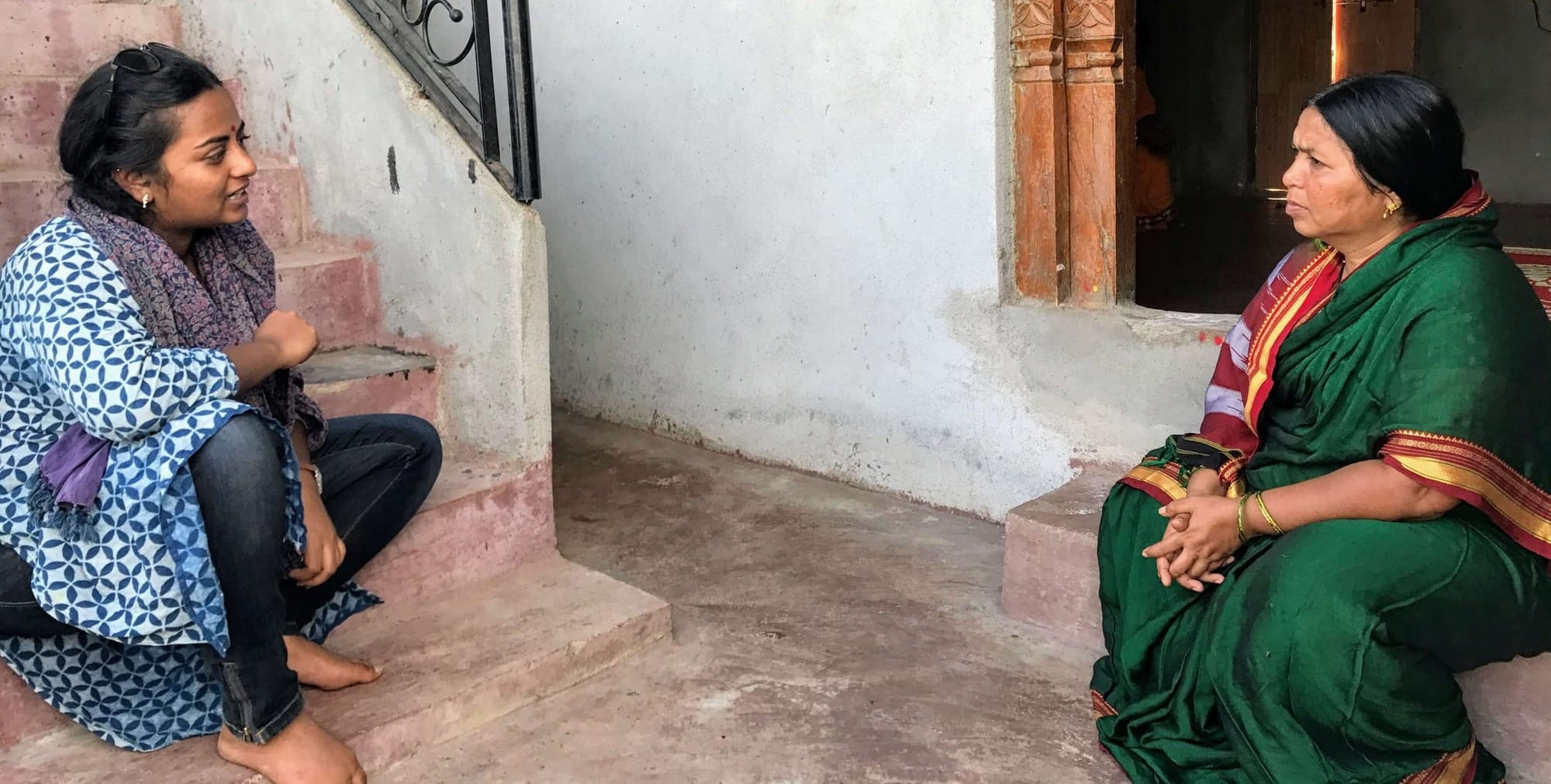
She remembers sleeping inside the theatre with fellow volunteers, carrying sleeping bags and spending countless hours backstage simply because they loved theatre. Those years brought encounters with celebrated artists like Ratan Thiyam, Veenapaani, B Jayashree, Naseeruddin Shah and exposed her to a vibrant creative world. Yet those experiences also revealed another reality.
"Theatre survives on free labour," she reflects. "At that age we were excited. We didn't question it."
At home, convincing her father to support an artistic career was another challenge. Coming from a first-generation Dalit family that had recently attained financial stability, the arts seemed risky. For many such families, survival came before creative pursuits.
"There is a fear of the arts," she says. "Because art has historically been a space where caste discrimination exists."
After completing her master's degree, Shilpa considered staying in Australia. But the opportunities felt limiting. As an Indian filmmaker, she felt she would spend decades merely trying to create space for herself, often remaining a technician rather than becoming a creative director.
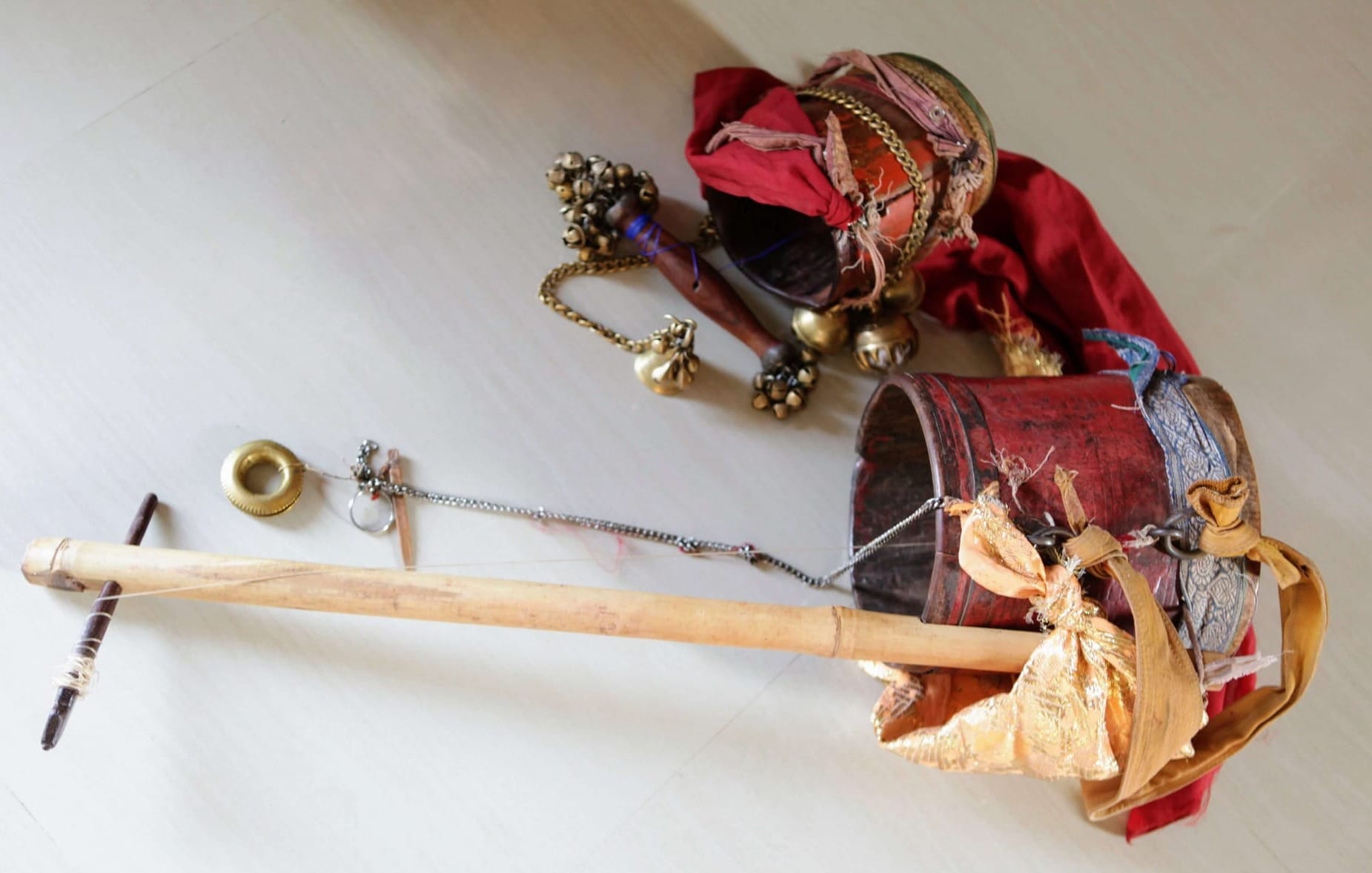
Returning to Karnataka changed everything. She began making documentaries for government departments, producing films on agriculture, millets and rural development. The budgets were tiny, but the work took her across villages she had never known despite growing up in urban Bengaluru, Karnataka. Those journeys reshaped her understanding of culture.
"Folk culture, songs, ritual and myth exist where communities exist and root themselves”. Travelling through rural Karnataka, she encountered rituals, festivals, oral traditions and local musicians whose art was deeply woven into everyday life.
Collecting songs, Collecting lives
While filming social documentaries, Shilpa and her colleagues quietly began recording something else: songs! Unlike many NGOs that added generic stock music to rural documentaries, she wanted the films to carry the authentic sounds of the communities themselves. Government officials were often uninterested in these recordings.
She would sit with village women as they sang, gossiped, laughed and narrated stories. Those informal conversations gradually became a collection. More importantly, they became relationships.
Filmmaking alone could not provide financial stability. Shilpa taught journalism and filmmaking at colleges, mentored young people and worked with students from disadvantaged communities. She found working with youth intellectually demanding because they questioned everything. "Young people have questions! They try to rip you apart while figuring out the world," she laughs.
Theatre eventually became another important tool, not simply for performance but for dialogue. Yet even within theatre institutions, she encountered caste hierarchies and unequal recognition. Like the years of volunteer work that often remain invisibilised.
It was also the time she began questioning performance itself. Who bears the emotional, mental and physical burden of creating a performance? If an audience experiences release during a difficult scene, what happens to the performer carrying that emotional labour night after night? These questions pushed her to experiment with theatre and performance more consciously.
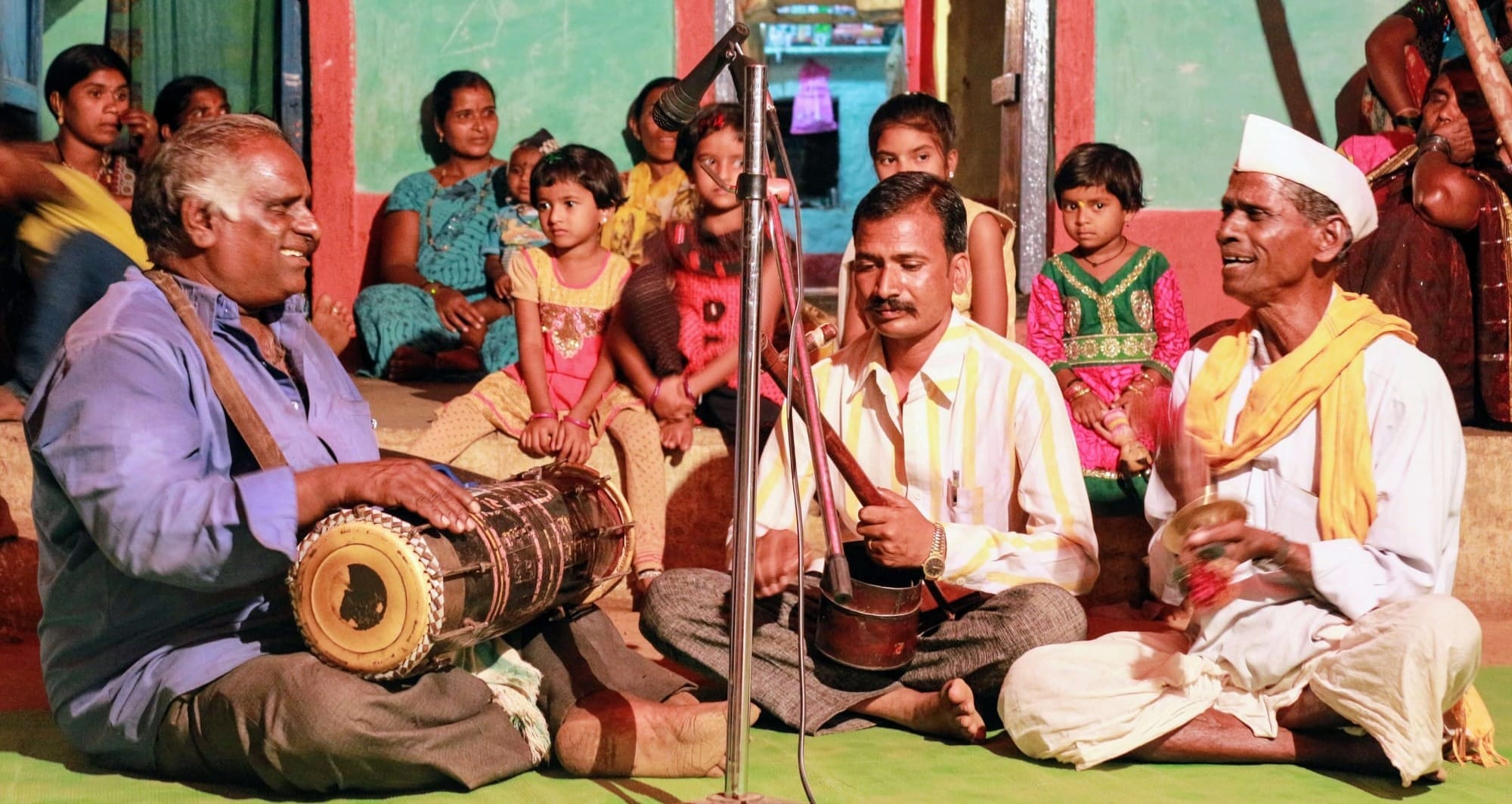
She began incorporating songs she had collected from rural communities into theatrical practice. But over time, Shilpa became increasingly uncomfortable with how folk traditions were being used. After dozens of performances, she felt many songs had become disconnected from the communities that created them.
This led her to a larger question: How can artists engage with traditional cultural practices without becoming extractors? For her, the problem begins with language itself. People who perform rural music rarely describe themselves as "folk artists." "So whose folk is it?" she asks.
She argues that "folk" collapses diverse Dalit, OBC and Adivasi traditions into a single label while erasing the communities behind them. The irony becomes sharper when privileged performers reinterpret songs rooted in struggles against inequality. She points to performers who present Baul, Kabir, Warakari, Sufi, even Vachana philosophy in polished classical styles in contemporary spaces rarely ever belong to communities that have harboured these traditions. Often, they rid the music of resistance and community identity all in the name of feel-good homogeneity.
"The songs question inequality," she says. "But they are often performed in spaces that reproduce inequality, by performers who come from caste and class privilege ."
Beyond Dead Archives
For Shilpa, archiving is not just about storing recordings in institutions. She believes that many archives are effectively "dead" because the audio and video they contain remain inaccessible for various reasons. Unless researchers already know what they are looking for and understand how a particular archive is organised, much of the material remains difficult to use. At the same time, the opposite approach can also be problematic. When archives freely distribute, reinterpret, publicise, or market materials they hold without the involvement or consent of the communities they come from, it can create new ethical concerns.
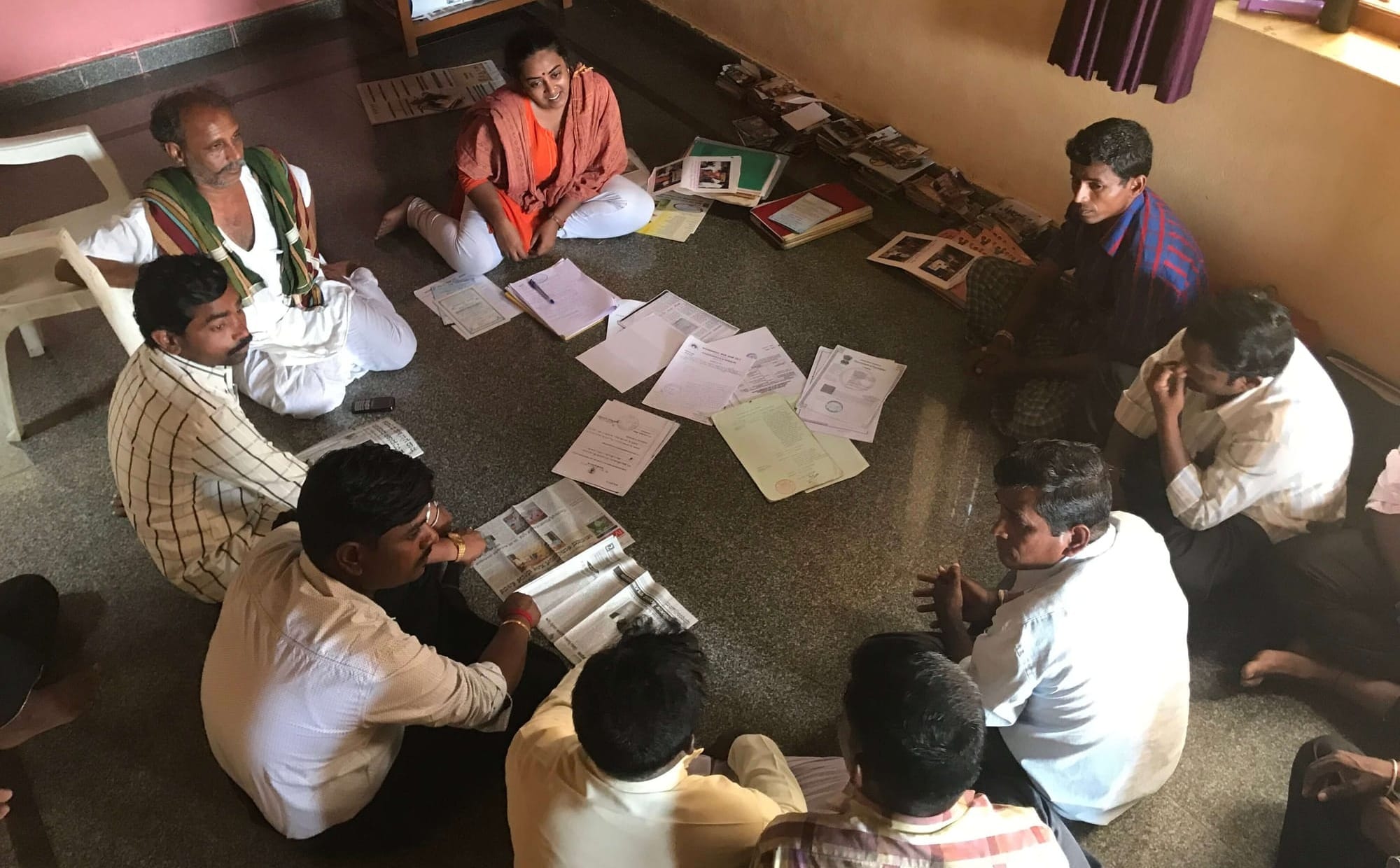
Instead, she imagines living archives. An archive should introduce people to communities, histories, rituals and meanings, not merely preserve files. She draws inspiration from scholar Ganesh N. Devy's community-based archival work, where communities themselves become custodians of their own knowledge. This is how the Urban Folk Project was born, aiming to bring folk cultures to an urban audience and to archive folk art forms in Karnataka.
Her dream is far more decentralised. Village libraries, panchayats and local resource centres should hold archives. Children should document their own villages. Communities should own both the recordings and the rights. If someone wants access, the contact, contract, credit, and payment should go directly to the creators. "The value should remain with the community."
Shilpa's critique extends beyond archives. She believes festivals, biennales and cultural institutions increasingly prioritise footfall over artists. Recalling the Kochi Muziris Biennale festival experience, she remembers bringing a young team from north Karnataka to perform at the Biennale. The youngsters were thrilled to be by the coast — a first time for many— along with being a part of such a large festival. Yet there was little institutional care: not even festival passes or any kind of tangible acknowledgement for the team to take home in memory of their participation.
"Who are these festivals serving anymore?" she asks. She worries that artists often become tools to attract audiences while lacking meaningful engagement, let alone support systems. For her, success cannot simply be measured by attendance numbers or international representation and visitors. Art needs ecosystems, not spectacles.
Holding on to What Matters
Today, Shilpa is increasingly concerned about economic justice within cultural work. Women who sing traditional songs earn in hundreds while urban performers presenting those same traditions can earn tens of thousands, even lakhs of rupees from a single stage performance. The politics of the very music has been ripped from the margins and stripped of resistance for the privileged masses to consume. The imbalance troubles her deeply.
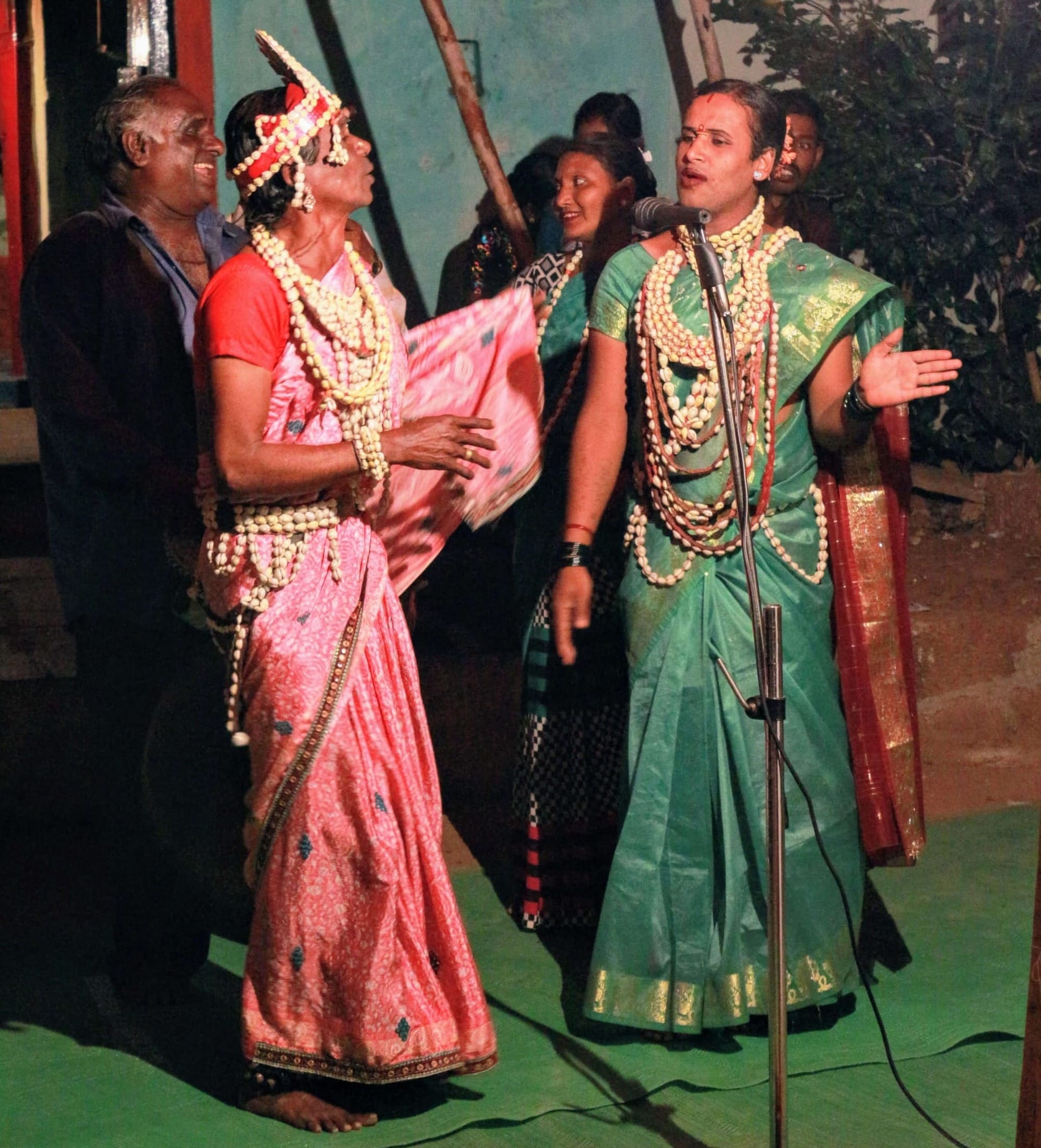
She dreams instead of intimate festivals featuring only a handful of artists, where audiences listen carefully, spend time in discussion and build genuine engagement rather than rushing from one performance to another. It may sound utopian, she admits. But slowing down, she believes, may be the only way to truly listen.
At the heart of Shilpa Mudbi's work lies a simple but profound conviction: culture belongs to the people who create it. Songs are not merely performances. They carry memories, labour, histories and identities that cannot be separated from the communities that nurture them.
Her work asks difficult questions about caste, ownership, authorship and representation—not to accuse individuals, but to imagine fairer systems. She believes the future of archiving lies not in collecting voices from the margins but in ensuring those voices retain control over their own stories.
And perhaps that is why, after years of filmmaking, theatre, teaching and collecting songs, Shilpa still returns to one enduring truth. For her, preserving culture begins by listening to them.

Sometimes, the people who change lives are simply the ones who know how to listen.

What happens when you walk away from a secure career to follow your calling?


He first knew Chavittu Nadakam as the sound of home. What began with songs drifting through the evenings became a lifelong calling.
aikyam fellows inspire actions on important & urgent needs of the planet and underserved communities.