Sometimes, the people who change lives are simply the ones who know how to listen. The same quiet compassion has become the heart of Sentinaro's work, guiding young people through some of life's most uncertain moments.
What happens when you walk away from a secure career to follow your calling? Rahul Thomas' journey reveals how theatre became far more than an art form: it became a path to being fully human.
She was told the Chenda wasn't for girls. From challenging tradition to inspiring women across generations, her journey proves that talent knows no gender.
A chance step into community work changed the course of Dimple's life. Through COHAS, along with youngsters like her, she is building spaces where children and young people can learn, create, and imagine a better future.
When Dimple looks back at her journey, she does not see a straight road leading to social work. Instead, she remembers a series of small encounters: moments that slowly transformed a curious law student into a community builder.
Today, she is the co-founder of COHAS, the Community of Hope and Support, a youth-led organisation working in Delhi’s urban settlements. Through theatre, art, books, environmental initiatives, and community events, COHAS creates spaces where children and young people can learn, question, and grow beyond the confines of traditional classrooms.
But the story of COHAS began long before the organisation was formally registered. It started with a young student stepping outside her comfort zone and into the realities of the world around her.
From Law Student to Community Volunteer
Dimple entered law school expecting a conventional path. Like many students, she believed that internships, courtrooms, and legal practice would define her future. Then came the COVID-19 lockdown.
Classes moved online, and life became increasingly confined. When restrictions eased, Dimple felt a strong urge to engage with the world beyond her computer screen. She began volunteering with the Robin Hood Army in Gurugram, participating in food distribution drives and educational activities in underserved communities. The experience opened her eyes.
“For the first time, I began seeing what was happening around me,” she recalls. The issues she encountered were no longer abstract concepts discussed in classrooms. They were visible in neighbourhoods, settlements, and the daily lives of ordinary people.
A turning point came when she was selected for a fellowship on air pollution. Entering the programme as a second-year student, Dimple imagined that four months of hard work could help solve the problem. Instead, she learned something far more important: meaningful change begins with understanding.
Through community surveys and local engagement, she discovered how complex social issues really are. Even in her own neighbourhood, she found gaps in awareness about sanitation, public spaces, and collective responsibility.
“I realised that before solving problems, we need to understand why they exist,” she says.
The fellowship led Dimple to a wider network of activists and community leaders. One of them was Ankush, who would later become the founder and director of COHAS. At the time, Ankush was neither an activist nor a leader. He was an eager youngster who wanted to volunteer and engage with children and the youth. It was this partnership, curiosity and support that eventually led to the formation of COHAS.
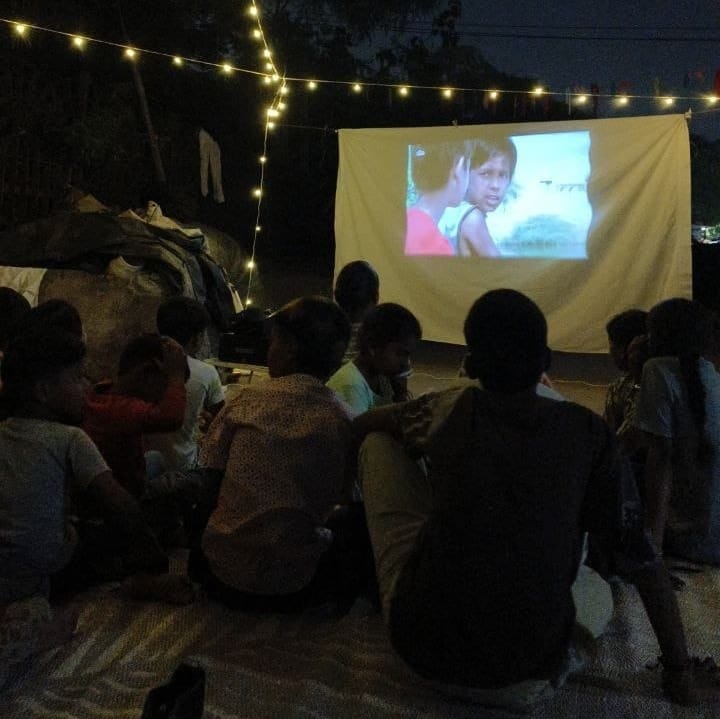
With the help of their friend Sarita, whom Dimple met on her fellowship journey, they visited settlements under Delhi’s Signature Bridge, where displaced communities struggled with limited resources and uncertain futures. They organised games and activities for children and experimented with ideas they had learned during their training. Sarita resided in Adivasi Camp, Nehru Nagar, and introduced several communities around the area to the team.
Around the same time, Dimple participated in a grassroots internship in rural Madhya Pradesh. There, she encountered another side of India, villages where schools were dilapidated, infrastructure was poor, and many children were already addicted to tobacco.
Using participatory theatre techniques, she worked with young people to raise awareness about health and social issues. The children surprised her with their enthusiasm, adapting scripts into their own language and taking ownership of the performances. The experience left a lasting impression.
“It made me realise how far we still have to go as a country,” she says. “But it also showed me the strength and creativity that already exist within communities.” These encounters convinced her that lasting social change requires dialogue, participation, and trust rather than one-way charity.
The Birth of COHAS
By 2022, conversations among a group of young fellows had evolved into a shared vision. They wanted to create an organisation that would help young people understand society through creativity, discussion, and collective action. This vision became COHAS, Community of Hope and Support.
The name itself reflected their philosophy. In a world often dominated by negative headlines and social divisions, they wanted to create spaces rooted in optimism, solidarity, and mutual care.
Their first major initiative was modest. During Diwali, they raised a few thousand rupees to organise celebrations for children in a settlement near Signature Bridge. Yet the event also exposed them to the challenges of community work. Local power dynamics and questions about funding created tension, leaving the young organisers intimidated and uncertain.
Most of them were barely out of their teens. “We realised we needed guidance and experience,” Dimple recalls. Rather than giving up, the team regrouped and sought new ways forward.
Creating Festivals of Participation
A breakthrough came when the group began working with a community near Lajpat Nagar: an Adivasi Camp where their friend Sarita lived. Starting with games and informal activities in a public park, they gradually built trust with children and families.
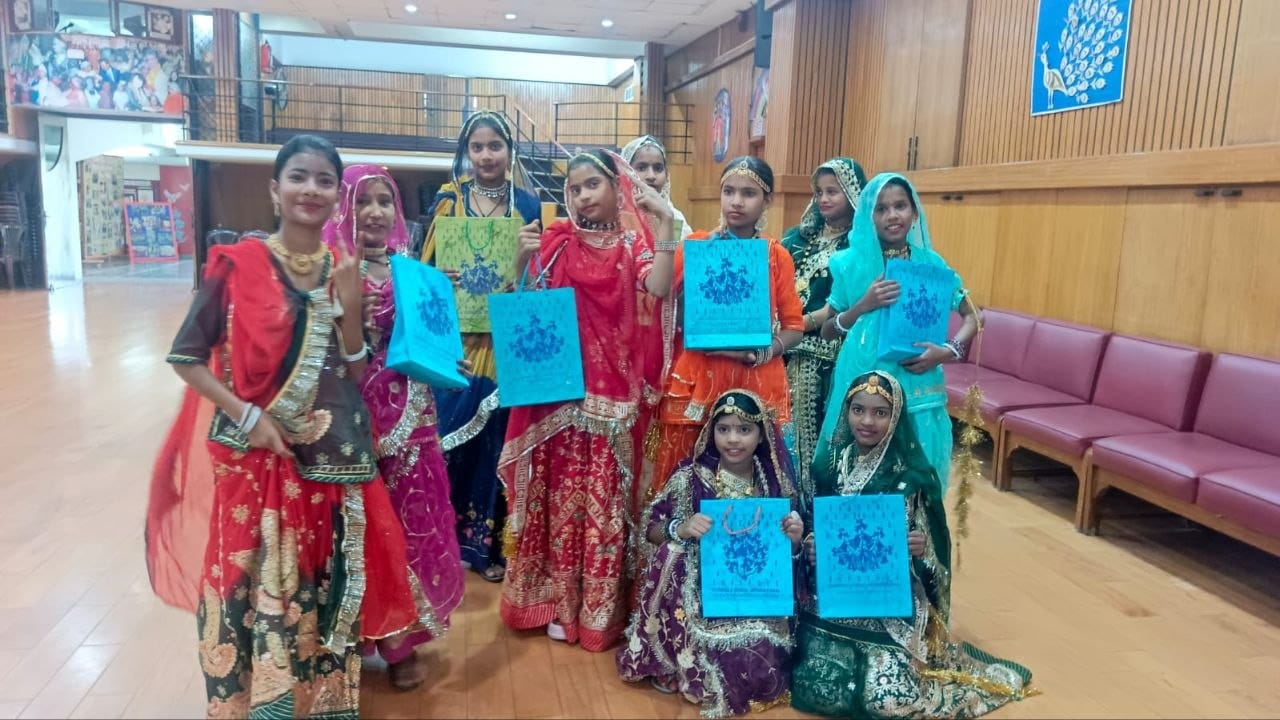
In 2023, they organised Jashn-e-Azadi, an Independence Day celebration that brought residents together through performances, activities, and community participation. Every year at Jashn-e-Azadi, the team witnessed a huge participation from women of the community who otherwise stay indoors, but come out on the day to see their children perform and be a part of a meaningful event.
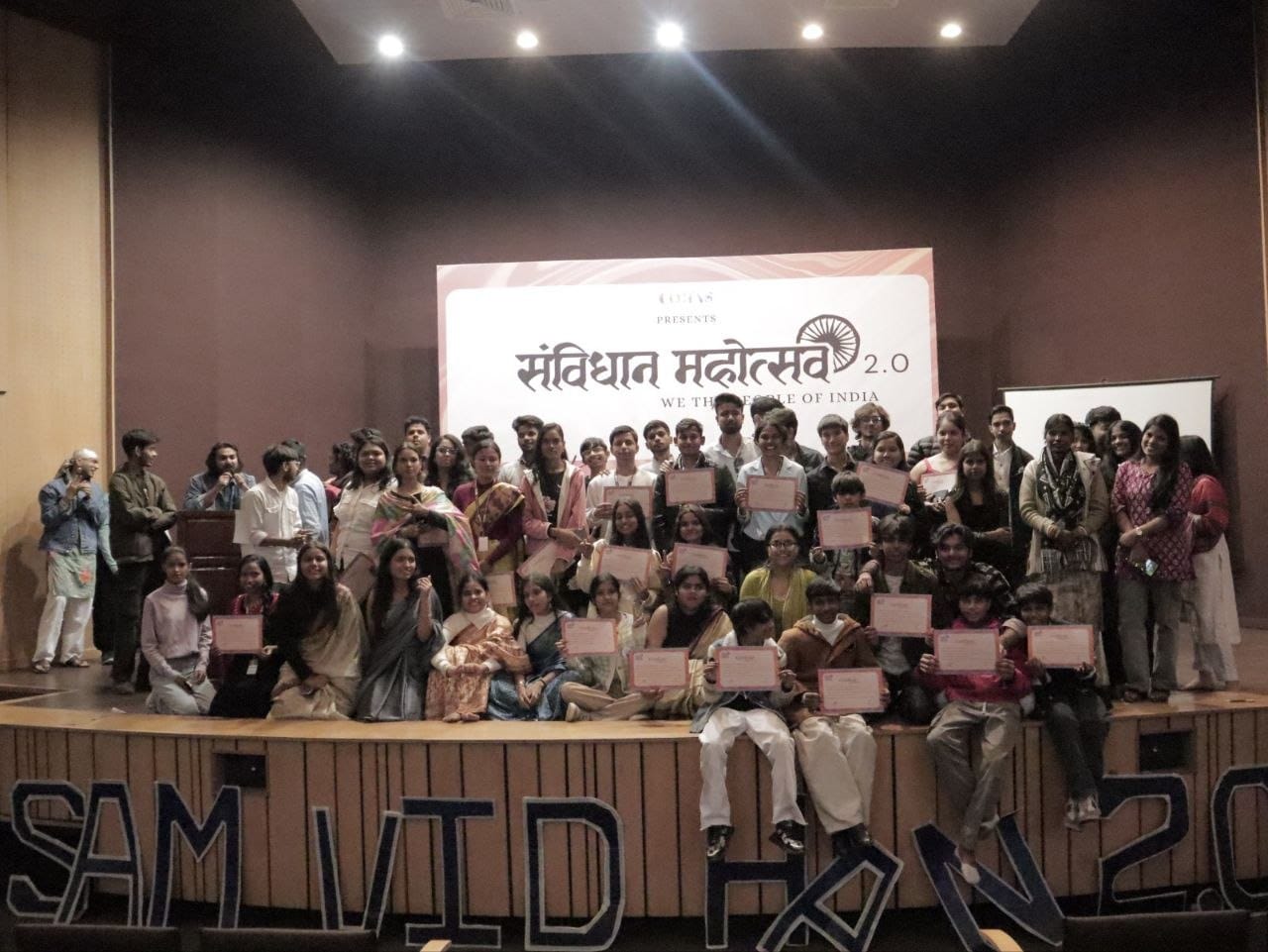
The event became more than a celebration; it became a model. Soon after, in 2023, COHAS launched its first edition of Samvidhan Mahotsav, an innovative festival centred on India’s Constitution. Working with students from Bluebells School and local community members, they created cultural programmes that combined learning with performance. The idea was simple: make civic education engaging. An immediate inspiration was Jashn-e-Rekhta, an event in Delhi that celebrates the Urdu language and literature; if there could be a festival for a language, then why not one for the entire Indian constitution that empowers all of us as Indian citizens?
Many young people might not attend a lecture on constitutional values, but they would happily participate in a festival featuring theatre, music, and storytelling. Through these events, conversations about rights, citizenship, and democracy became accessible and enjoyable.
Today, Samvidhan Mahotsav, Jashn-e-Azadi, and Eco Fest have become annual fixtures in the organisation’s calendar, attracting students, educators, artists, and community members from across Delhi.
The team hosted the second edition of Samvidhan Mahotsav in 2025, which was a 3-day event filled with workshops, performances, and stalls at Jawahar Bhawan, Central Secretariat, Delhi.
Kalashala: A Home for Creativity
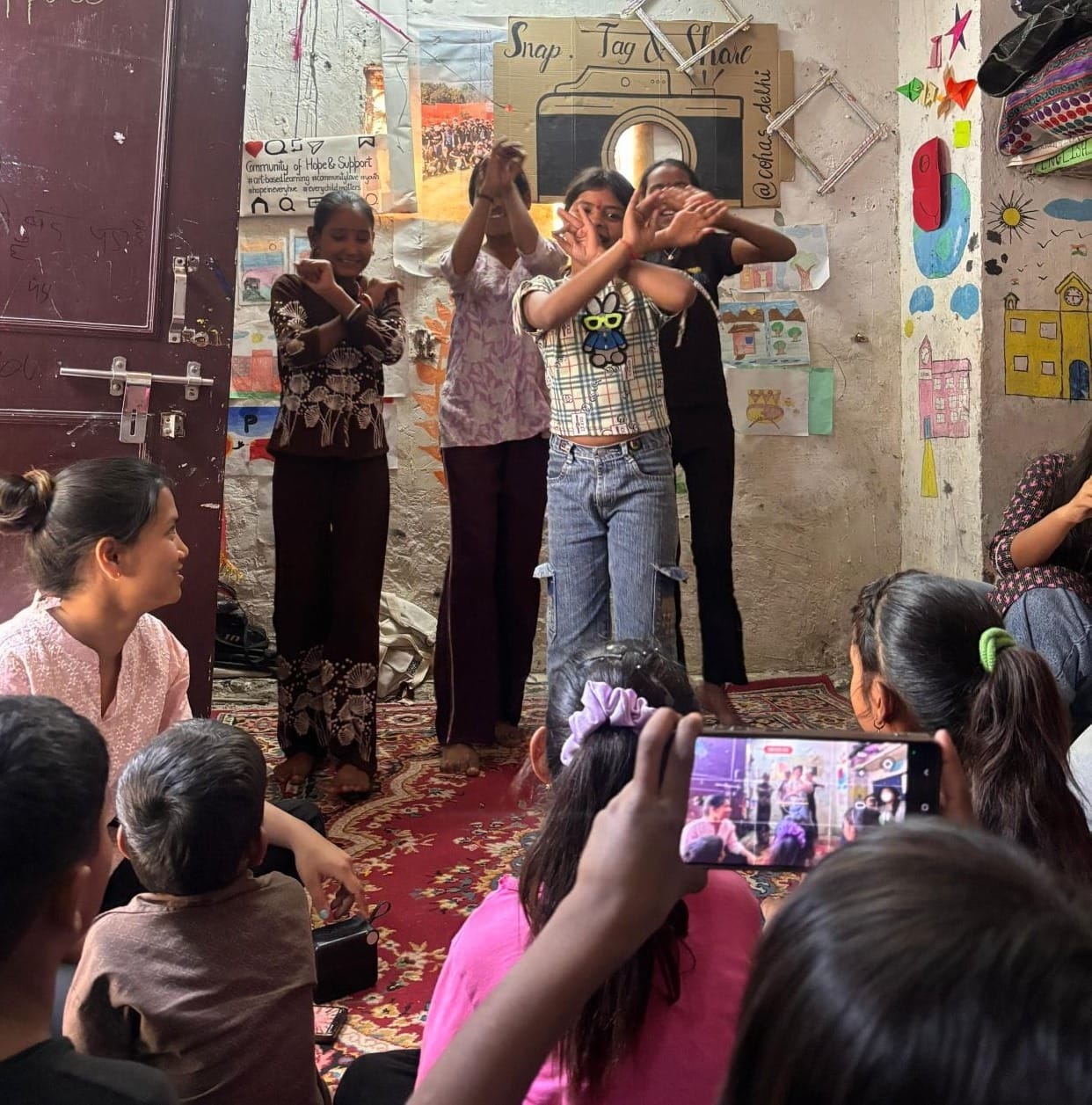
Perhaps the most significant milestone in COHAS’s journey has been the creation of Kalashala. More than an office, Kalashala is a community space where children can read, paint, play, learn music, and spend time in a safe environment.
Initially supported by another organisation, the space faced uncertainty when funding was withdrawn. Yet the COHAS team refused to let it disappear. Through crowdfunding and community support, they raised enough money to keep paying the rent. Around 50 children from four different communities of Nehru Nagar regularly come to Kalashala.
What makes Kalashala remarkable is not just its activities but the culture it has nurtured. At first, children came mainly to play. Reading books held little appeal. Over time, however, something changed. Without pressure or formal instruction, reading became part of the community culture. Children began picking up books voluntarily, sharing stories, and encouraging one another to read.
Parents, too, gradually became involved. Some now participate in reading events alongside their children, strengthening bonds across generations. The transformation happened organically, built on trust rather than enforcement.
A Future Built on Hope
Today, COHAS is powered by a dedicated team of young leaders, volunteers, mentors, and community members. Their work spans environmental awareness, theatre, constitutional literacy, youth leadership, and community engagement.
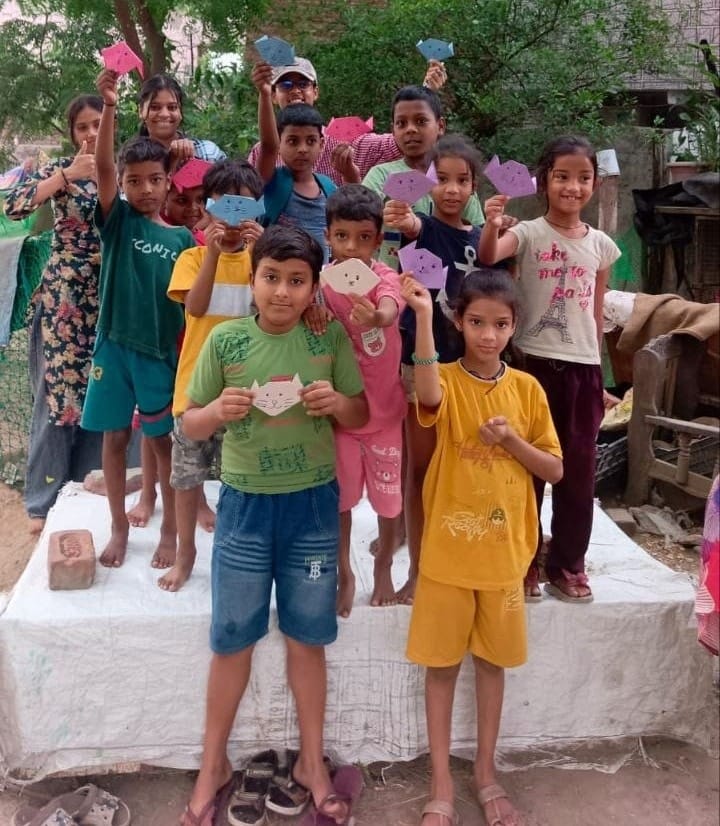
Recent initiatives include nature walks that introduce Delhi’s hidden forests to young people and projects that recycle waste paper into handmade products. The organisation is also developing new ways to make constitutional values part of everyday conversations.
For Dimple, however, the true measure of success is not the number of events organised or funds raised. It is the gradual shifts she witnesses in people.
A child discovering a love for reading. A volunteer learning to engage respectfully with a community. A woman hoisting a flag for the first time. A mother joining a collective activity for the first time. Young people, finding the confidence to ask questions and imagine a better future.
These moments may seem small, but together they represent something powerful. They are the seeds of hope. And in the crowded, complex landscape of Delhi, Dimple and COHAS continue to plant them.
💡
You can learn more about COHAS and contact them here and here.
Sometimes, the people who change lives are simply the ones who know how to listen. The same quiet compassion has become the heart of Sentinaro's work, guiding young people through some of life's most uncertain moments.
What happens when you walk away from a secure career to follow your calling? Rahul Thomas' journey reveals how theatre became far more than an art form: it became a path to being fully human.
She was told the Chenda wasn't for girls. From challenging tradition to inspiring women across generations, her journey proves that talent knows no gender.
He first knew Chavittu Nadakam as the sound of home. What began with songs drifting through the evenings became a lifelong calling. Anson Kurumbathuruth's story is one of carrying a living tradition into the future.