
Sentinaro Shiu | A Heart that Listens
Sometimes, the people who change lives are simply the ones who know how to listen.
Sometimes, the people who change lives are simply the ones who know how to listen.

What happens when you walk away from a secure career to follow your calling?
aikyam worked with ASMITA, a youth-led group in Jharkhand, to create a website showcasing their transformative work with rural women and adolescents


Revolutions led by women in the last century have made great waves in women’s lives around the world. Their fight against the patriarchal order for equal status, dignity and respect has changed the course of male-dominated history. Yet, a huge margin of women remain cut off from these benefits. Even when policies are in place, the benefits rarely reach rural Indian women. As a result, they lack resources to break the shackles of patriarchy. Without support, they struggle to help themselves.
The fight for a gender-just society remains incomplete if it does not reach every nook of society. This is precisely why ASMITA came into existence as a feminist collective. It fiercely fights for the rights of women and young girls to be decision-makers. ASMITA works to help women from rural Jharkhand lead better lives. The organisation helps them access and utilise resources, gain education and liberate themselves.
Recognising ASMITA’s work as important and powerful, aikyam joined hands with them to solve their challenges.
Ankita, the co-founder and the President of ASMITA reached out to aikyam in May 2024 with hopes of building a stronger presence for the organisation. The impactful work they do was not reaching the public audience or potential donors. Without a website, ASMITA was struggling to showcase their work and reach funders. The organisation sought aikyam’s support to widen the organisation’s scope with a dynamic web presence. Over a couple of calls, Jinso, Megha and Sumi unpacked the organisation’s stakeholders for the website. Together, they figured out the website's key stakeholders and their needs.
The aikyam team and ASMITA had a clear idea for the website. It had to be accessible, well-curated, and aligned with the organisation's values. After meetings and calls, the design for the website was finalised. The tasks were then divided according to each person’s specific skill set. aikyam has a framework to ensure a satisfactory experience for those who reach out. The team optimised the website for ASMITA's stakeholders- donors, networking partners and students looking to volunteer. This conscious design decision helps to increase engagement on the website.
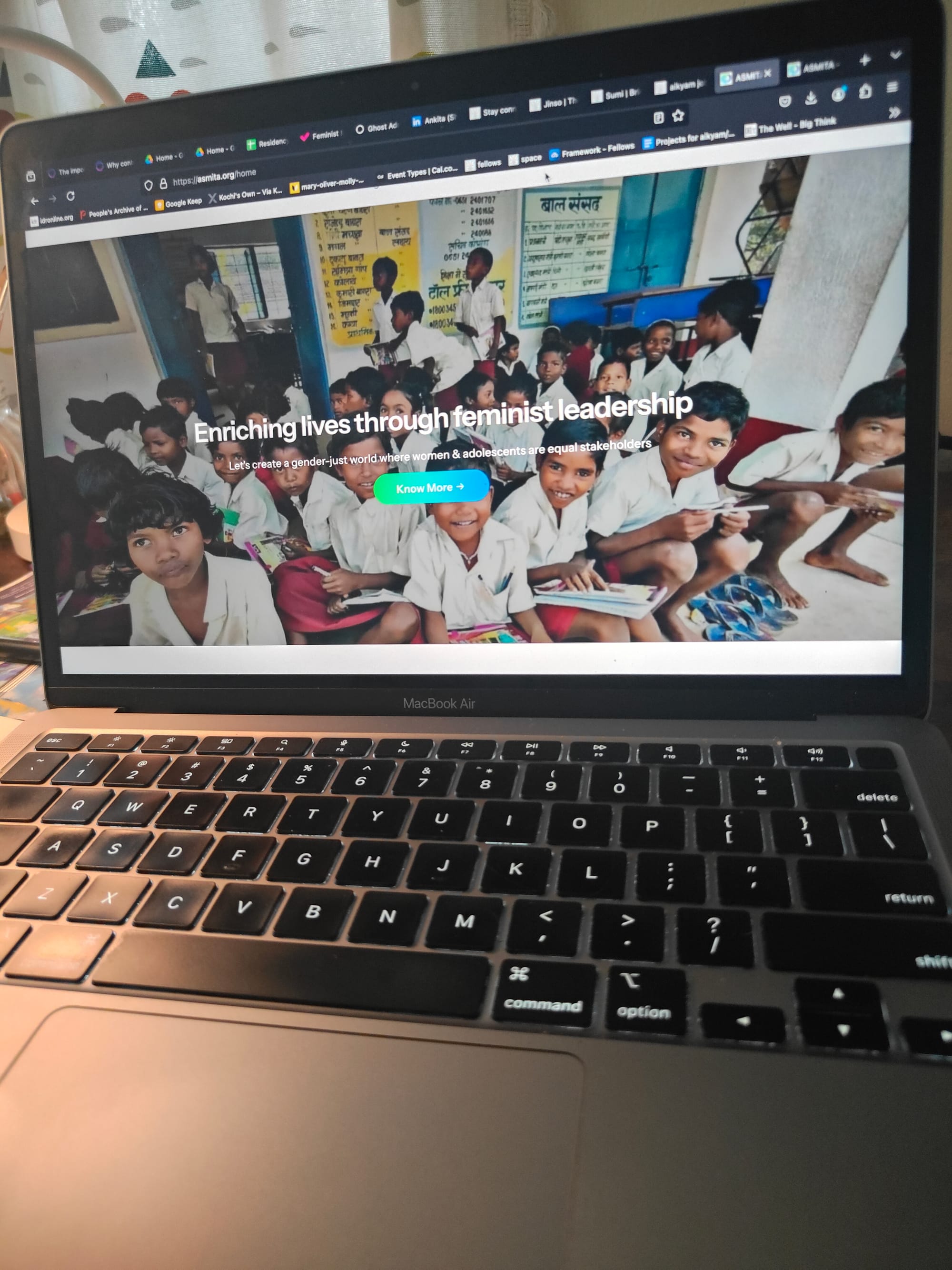
“To structure a website well, you must know its purpose and audience,” explains Megha. “Stakeholder mapping allows teams to make decisions that suit each need.” After mapping the stakeholders, Megha created the website using the Frappe Website module. “I wanted to make the website visually appealing and user-friendly," she said. "I also made sure to align with the organisation’s goals.” Megha utilised the best of existing templates for the website, curating custom templates where required, using HTML, CSS and JavaScript. She used Figma for creating and editing images. PageSpeed Insights helped assess analytics to improve the website’s performance.
"To structure a website well, you must know its purpose and audience. Stakeholder mapping allows teams to make decisions that suit each need."
- Megha Jibhakate, aikyam fellow
Jinso's work seals the website from possible security threats, and lets ASMITA use it smoothly. He assisted the organisation in choosing a domain and setting up the backend platforms on the servers. To make the entire process as economical as possible, Jinso configured it in a shared cloud instance with other NGO websites to reduce the cost of hosting. Sumi offered valuable insights at each step of the design. She helped develop the content, mindful of the organisation's message.
The team ensured the website had a responsive design. This means the website optimises itself according to the user's device. This is significant because the communities that ASMITA works with have no ready access to laptops or other such devices. They mostly use their phones. While such websites are for increasing visibility for changemakers, aikyam ensures that their work is inclusive across barriers. With a commitment to use open-source platforms, aikyam's projects aim to make technological tools effective for grassroots non-profit organisations.
 Megha
Megha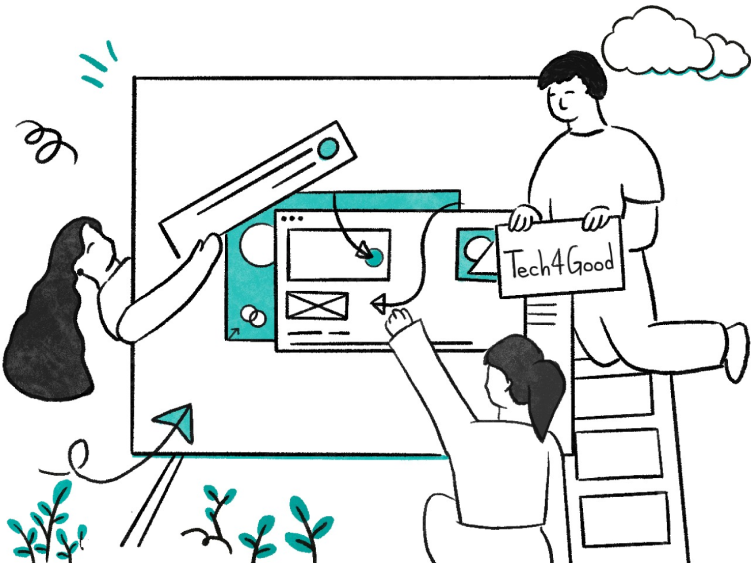
The collaborative effort of creating ASMITA's website was rewarding for all involved in the process. It highlighted the importance of teamwork and effective division of tasks. The design aimed to make a positive impression on donors, possible partners, and collaborators who would visit the website. This website will inaugurate ASMITA's online presence and make the organisation discoverable online.
SumiOrganisations like ASMITA fight to empower societies. Do you know organisations that are working to change the lives of the underserved? How would access to technology help these organisations? Comment below!
 Pooja T

For TYCIA Foundation, discoverability was both a tech challenge as well as a financial one. Here's how TYCIA and aikyam came together and solved it by using Github Pages


Anode & aikyam fellows used Metabase to visualise field data, gathered from research across panchayats. Can this become an effective tool for local governance improvments?

In the beginning, I found it difficult to speak in English. Where I come from, even English classes are taught in Marathi


Zenith & aikyam used Free Github Pages to tell the world about the impact of their work in aiding the most underprivileged have access to legal justice systems
aikyam fellows inspire actions on important & urgent needs of the planet and underserved communities.