Sometimes, the people who change lives are simply the ones who know how to listen. The same quiet compassion has become the heart of Sentinaro's work, guiding young people through some of life's most uncertain moments.
What happens when you walk away from a secure career to follow your calling? Rahul Thomas' journey reveals how theatre became far more than an art form: it became a path to being fully human.
She was told the Chenda wasn't for girls. From challenging tradition to inspiring women across generations, her journey proves that talent knows no gender.
What if the stories hidden in old streets could shape the future of a city? For Adheena Ashfaque, a childhood surrounded by the living heritage of Mattancherry has grown into a mission to make Kochi’s history accessible, inclusive, and meaningful for everyone.
Growing up in Mattancherry, Adheena was surrounded by history long before she understood its significance. The narrow streets, bustling markets, old warehouses, and centuries-old buildings were simply part of everyday life. Born and raised in the heart of one of Kerala's most culturally layered neighbourhoods, she enjoyed what she now describes as a unique privilege: growing up inside a living heritage landscape.
"I grew up hearing stories," she recalls. "Stories about people, places, migration, trade and the communities that shaped this city."
Yet, like many young people from Kochi, Adheena once dreamed of leaving. After completing higher secondary school, she imagined studying away from home and eventually building a life elsewhere. For many families in her community, moving to the Gulf was considered a natural progression. Her own family expected she would eventually head to the UAE. Adheena, however, was uncertain.
Then came the devastating Kerala floods of 2018. The disruption delayed admissions and altered her plans. Instead of moving away, she enrolled in a local college, studying Botany and Biotechnology. What initially felt like a compromise would eventually become a turning point.
Her years in college exposed her to people from different social, economic and cultural backgrounds. Having attended a government school for higher secondary education, she found herself encountering a wider understanding of Kerala's political and cultural landscape. Teachers introduced students to conversations about governance, history and public life, subjects that had previously felt distant.
These experiences expanded her worldview. Even then, cultural heritage was not yet a career path. Like many graduates, she explored different opportunities. She worked part-time in publishing and later joined a technology startup ecosystem through an internship at the Entri app, where she worked in growth and partnerships.
The tech world introduced her to a new network of young innovators, volunteers and social entrepreneurs. Through organisations such as TinkerHub and other community initiatives, she began encountering conversations around social impact, civic engagement and community development.
"It was the first time I was hearing about NGOs, volunteering and community-driven work seriously," she says.
These conversations planted a seed. The breakthrough arrived in 2023 when the Kochi Heritage Project announced a call for storytellers. By then, Adheena had already developed a reputation among friends as someone who loved documenting overlooked places and experiences.
She enjoyed discovering hidden cafés, neighbourhood histories and local food cultures. Writing, curating and sharing stories came naturally to her.
Almost on impulse, she applied. The opportunity transformed her trajectory. Through the project, she met researchers, storytellers, artists and cultural practitioners whose interests mirrored her own curiosity. Among them were people deeply invested in food history, oral traditions, architecture and community memory. Long conversations after events often stretched late into the night, exploring everything from Kathakali performances to migration histories and urban culture.
These exchanges helped Adheena recognise that heritage was not simply about preserving monuments. It was about understanding people. It was about documenting everyday lives, recognising hidden histories and ensuring communities remained central to the stories being told about them.
Such a perspective became even more pronounced during her involvement with the Cochin Heritage Carnival in 2024. Working behind the scenes in operations and exhibition curation, she witnessed the complexity of bringing cultural programming to life. More importantly, she saw the power of heritage initiatives to create connections across communities.
Today, Adheena's interests extend far beyond nostalgia or historical preservation. She is fascinated by the idea of port cities and the cultural ecosystems they create. Travels to cities such as Kolkata and Visakhapatnam deepened her understanding of how migration, trade and maritime networks shape urban identities. During her visits, she noticed striking similarities between these cities and Fort Kochi: shared architectural patterns, market streets and cultural rhythms that emerged from centuries of exchange.
"These are all port cities," she explains. "The movement of people leads to a mixing of ideas, food, architecture and culture."
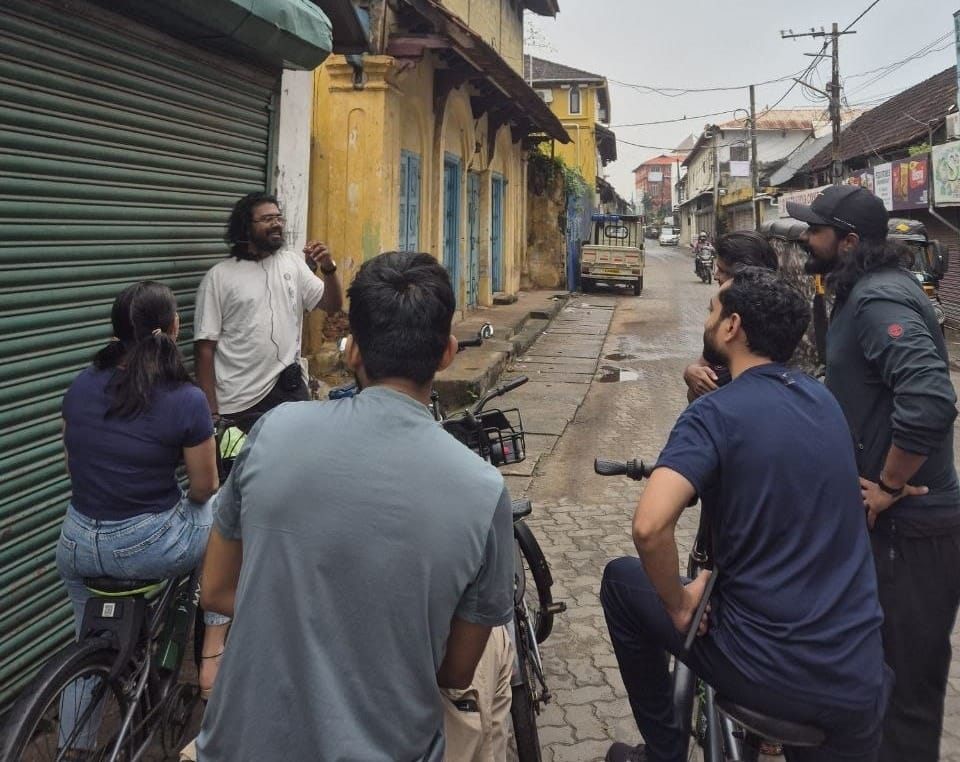
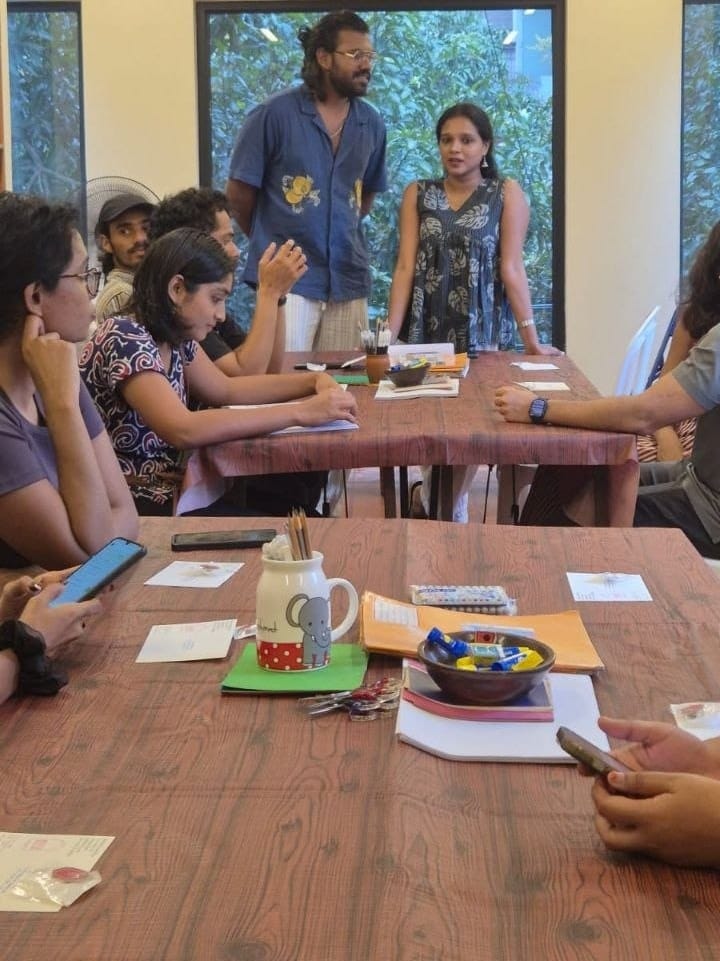
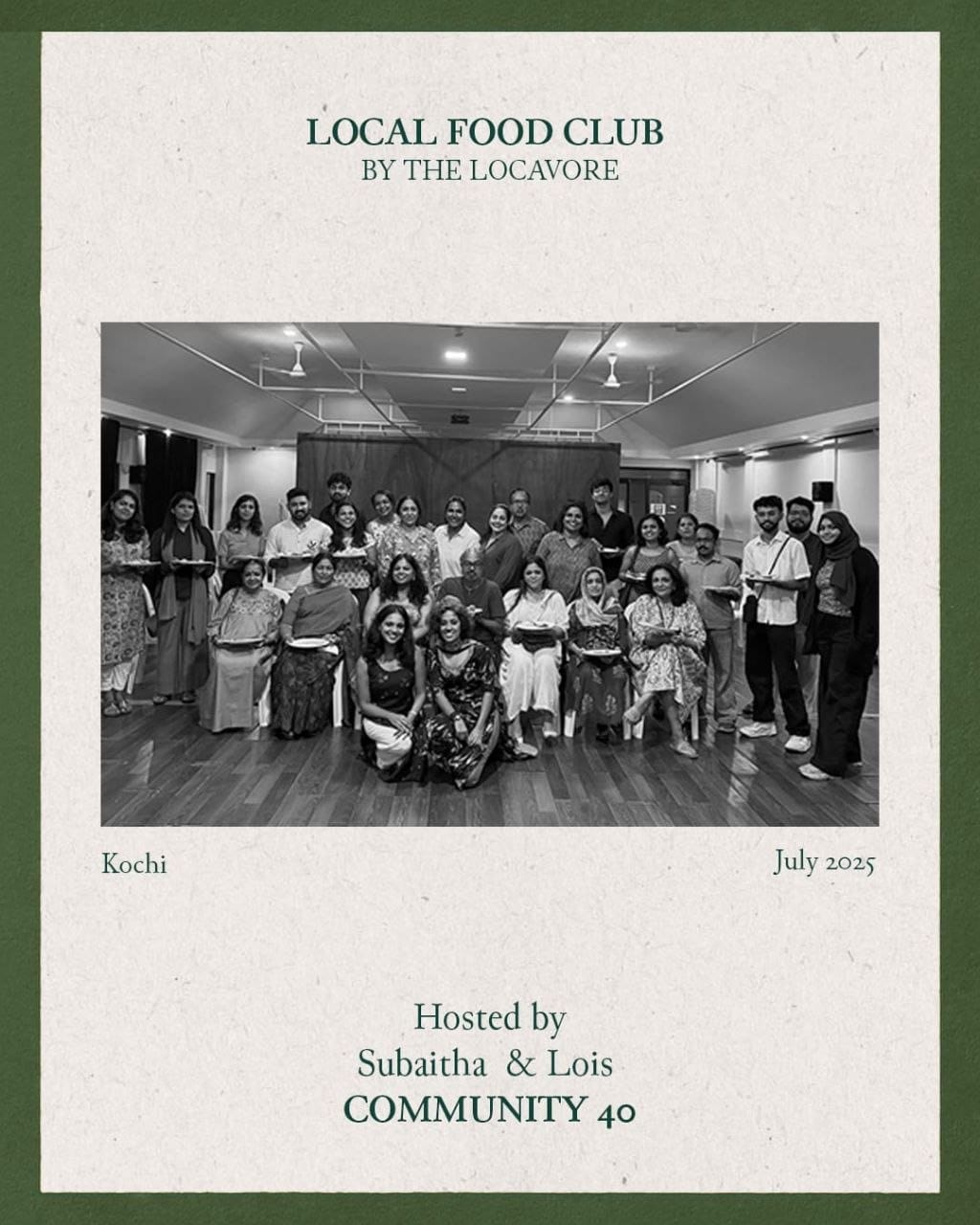
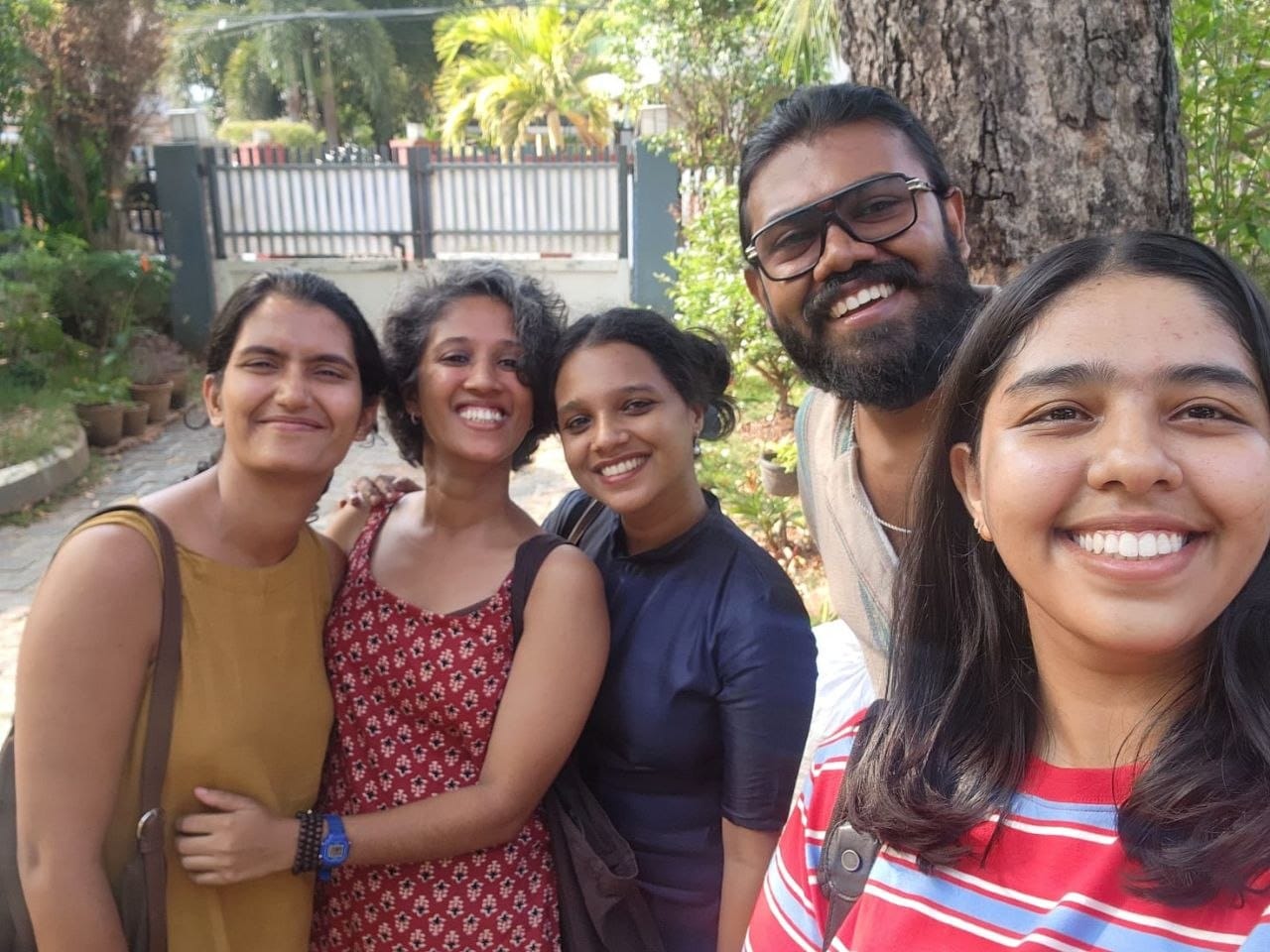
Adheena’s work increasingly focuses on understanding how such places evolve into cultural cities rather than simply historic ones. This vision aligns closely with the work being undertaken by Community 40 (C40) in Fort Kochi. Through heritage walks, storytelling initiatives, research projects and community engagement activities, C40 seeks to make local history accessible, relevant and inclusive. Started by five friends-turned-co-founders, Adheena Ashfaque, Rizwan Aboobaker, Arya K, Lois Christy John, and Subaitha H R,Community 40 is a heritage and cultural collective. Rather than treating heritage as something frozen in time, the organisation approaches it as a living resource connected to contemporary livelihoods, identities and social change.
A key aspect of this work involves engaging residents who already live within heritage neighbourhoods while also introducing new audiences to these spaces. The aim is not simply to attract visitors but to create meaningful participation. For Adheena, participation is the critical word.
Too often, she believes, conversations around heritage become limited to a small group of people with access, influence or established networks. Certain voices dominate while others remain unheard. Local communities may find themselves represented without being genuinely included. Breaking such patterns has become one of her central concerns.
"There is an elitism that exists in this field," she says. "Access and visibility often go to certain groups. We need to create more opportunities for people who may not traditionally be part of these conversations."
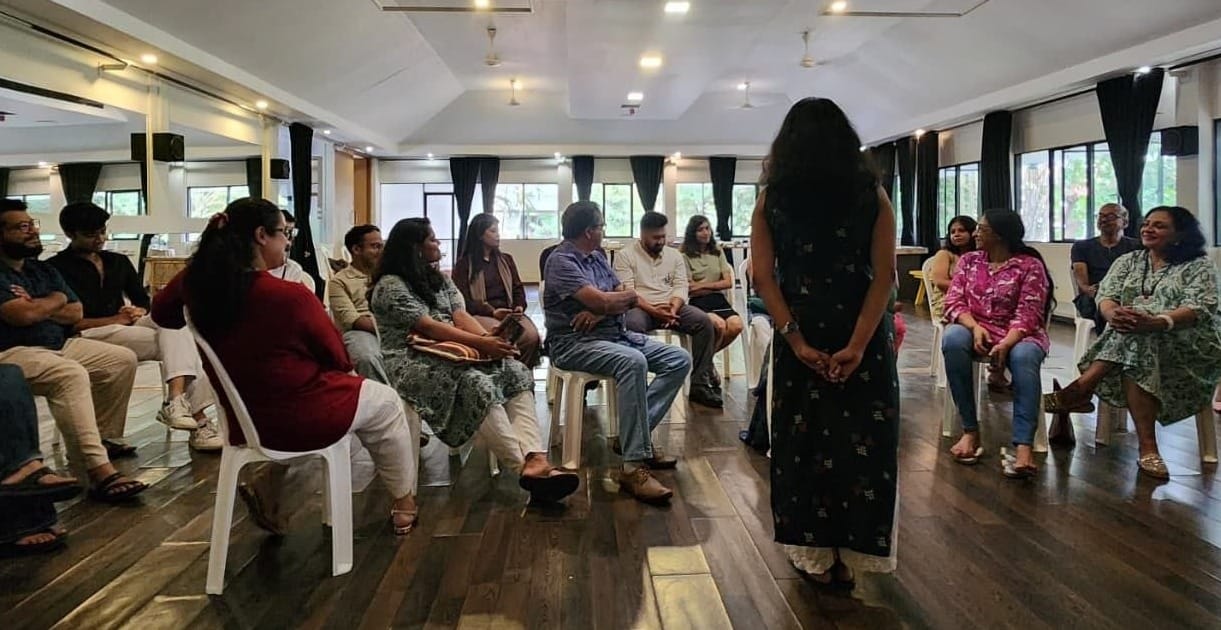
C40's work attempts to address that challenge by creating spaces where stories can emerge from multiple perspectives. Whether through community-led research, public events or collaborative cultural projects, the focus remains on broadening participation and making heritage more democratic.
The organisation also recognises that sustainability is essential. For Adheena, heritage work cannot rely solely on passion. It must also create value for communities and support local livelihoods. This means exploring models that balance cultural preservation with economic opportunity, ensuring that residents benefit from the attention their neighbourhoods receive.
The work remains a gradual process. Adheena continues to balance multiple responsibilities while developing projects at a pace that allows for thoughtful growth. Yet her commitment is clear. What began as a young woman's desire to leave Kochi has evolved into a mission to understand and strengthen the city she once took for granted.
In Fort Kochi and Mattancherry, she sees more than monuments and tourist attractions. She sees living neighbourhoods filled with stories waiting to be told; stories hidden in market streets, old water tanks, family memories and everyday encounters.
Her animated gestures come more alive as she shares a fascinating observation. One of the famous delicacies at the Star Hotel (aka Balan Chettan’s Kada, as it is fondly called) in Fort Kochi is the square parottas that are believed to have originated in Ceylon. The women in Adheena’s family have never stepped inside the shop, due to religious restrictions. However, her mom and others in the family have been making Ceylon parottas for many years, despite not having any visible associations with the shop. As our conversation continues, I see that Adheena is brimming with more such tales of cultural exchange that are not obvious or studied enough.
Through her work with C40, she hopes these stories will belong to everyone. Because for Adheena, heritage is not just about looking backwards. It is about creating a future where more people can see themselves reflected in the history of the places they call home.
👣
You can reach out to Adheena at [email protected] and be looped in on C40 updates here.
Sometimes, the people who change lives are simply the ones who know how to listen. The same quiet compassion has become the heart of Sentinaro's work, guiding young people through some of life's most uncertain moments.
What happens when you walk away from a secure career to follow your calling? Rahul Thomas' journey reveals how theatre became far more than an art form: it became a path to being fully human.
She was told the Chenda wasn't for girls. From challenging tradition to inspiring women across generations, her journey proves that talent knows no gender.
He first knew Chavittu Nadakam as the sound of home. What began with songs drifting through the evenings became a lifelong calling. Anson Kurumbathuruth's story is one of carrying a living tradition into the future.