
Sentinaro Shiu | A Heart that Listens
Sometimes, the people who change lives are simply the ones who know how to listen.
Sometimes, the people who change lives are simply the ones who know how to listen.

What happens when you walk away from a secure career to follow your calling?
Why did dance spaces often feel emotionally unsafe?

For Ponnu, dance was never a hobby. Some of her relatives on her father’s side were part of local theatre troupes. From the age of four, she was immersed in training. Unlike many, she did not have any problems accessing the world of art.
It was only as she grew older, that she began noticing the rigid structures embedded within traditional dance education that she herself had been a part of for decades. In many spaces, students were expected to display absolute humility and obedience toward teachers. The guru occupied an unquestionable position of authority. Silence was treated as discipline. Ponnu struggled with that culture.
She recalls being disturbed by how children were sometimes exposed to adult-themed content without sensitivity, where teachers normalised inappropriate language because it had been normalised for them ages ago. She also found herself increasingly frustrated by environments where students’ identities, beliefs, or personal choices could be ridiculed in the name of “tradition.”
The questions stayed with her. Why did dance spaces often feel emotionally unsafe? Why were students expected to endure humiliation as part of artistic training? Why did discipline so often resemble fear? At the time, she thought the answer might exist elsewhere.
Moving to Mumbai
After completing a Masters in Psychology and working as a school counsellor for a few years, Ponnu decided to give dance a chance. Like many young artists from Kerala, Ponnu saw Mumbai as a place of artistic freedom. She imagined it as a more liberal environment — a city where art and individuality could coexist without rigid hierarchies. So she moved there to study. But instead of discovering liberation, she encountered familiarity.
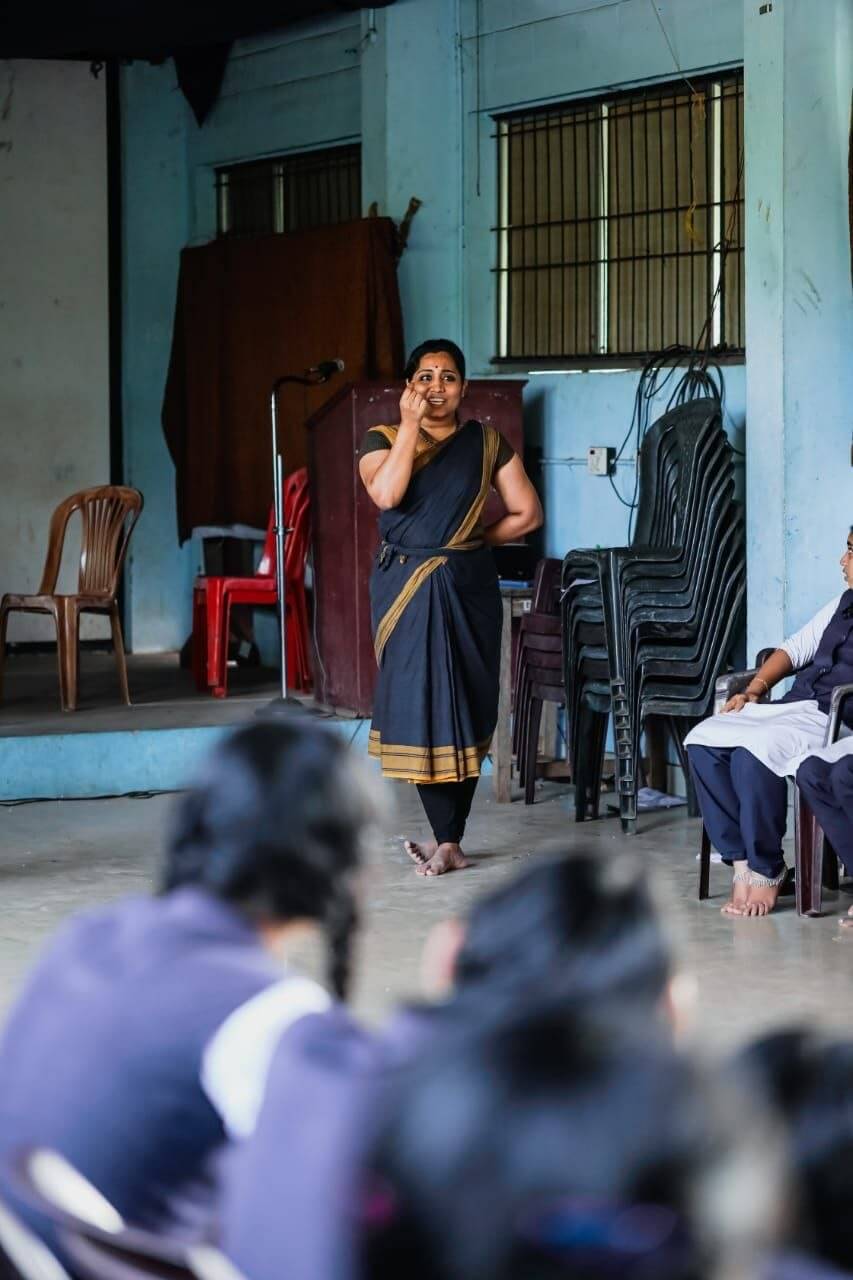
The same silences existed there too. The same power structures. The same struggle to “fit in” to systems that demanded unquestioning compliance. Mumbai became important not because it solved her problems, but because it clarified something crucial: the kind of space she was searching for did not already exist. If she wanted that environment, she would have to build it herself. Around this time, she met Anjali.
A Friendship That Became an Institution
Ponnu and Anjali met while trying to survive the same frustrations. Both had grown up within the rigid structures of classical dance. Both felt exhausted by systems that demanded emotional surrender from students. And both were searching for a way to continue loving dance without losing themselves to its toxic traditions.
What began as conversations slowly evolved into collaboration. Before the institution even had a name, they were already conducting workshops and classes together. Eventually, those scattered efforts became Thudippu.
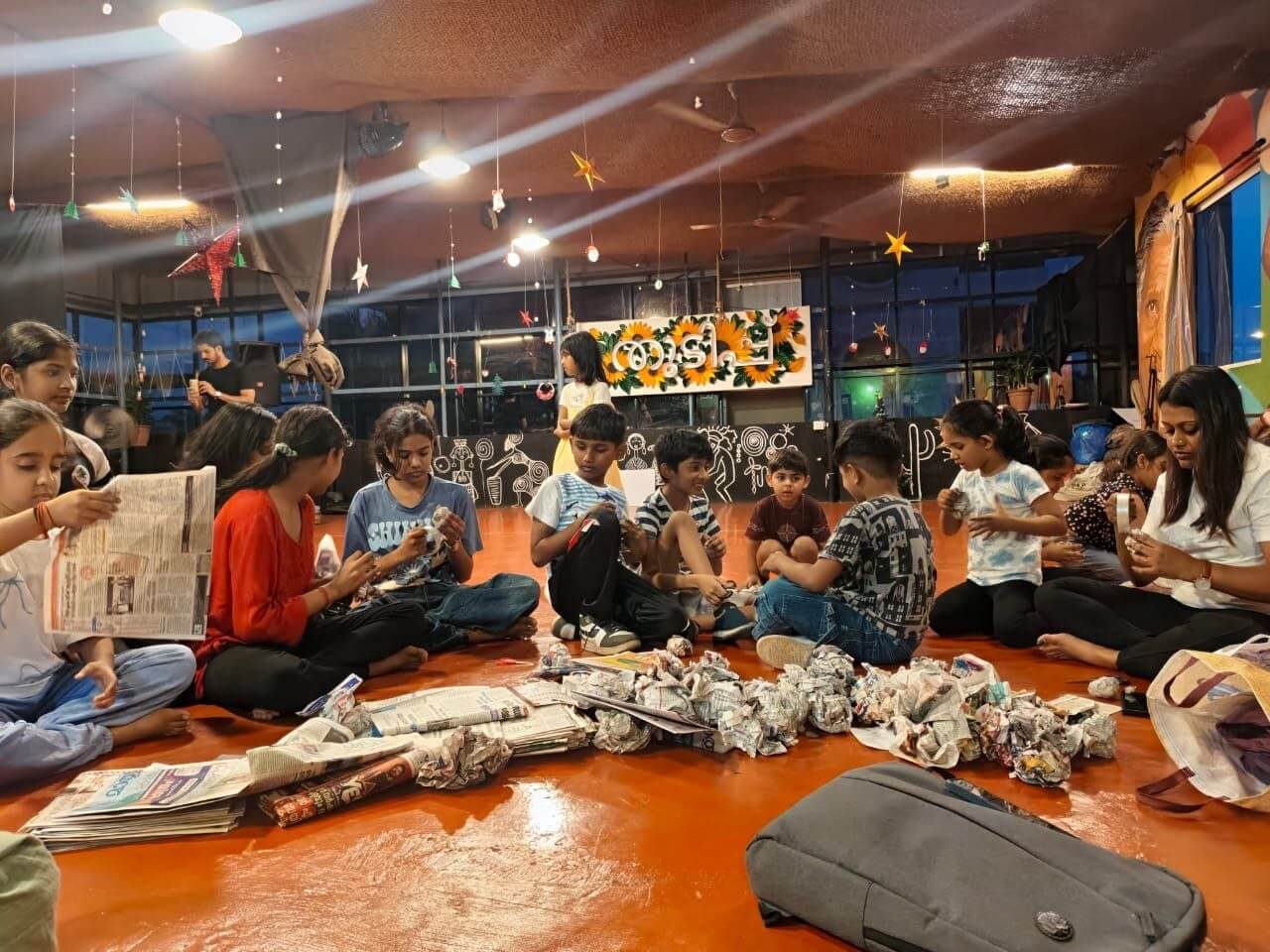
Today, Ponnu often describes their partnership as being “like one single human being.” In an industry where creative partnerships frequently collapse under administrative and financial strain, she speaks about Anjali with unusual certainty. Part of the reason lies in how different they are.
Anjali is deeply organised, futuristic, and strategic. Ponnu describes herself as comparatively unorganised and rooted in the present. While Anjali thinks constantly about documentation, sustainability, and long-term planning, Ponnu focuses on students, curriculum, and the day-to-day rhythm of teaching. Together, they balance each other.
Starting Afresh
Thudippu officially began during the COVID-19 pandemic, when the performing arts world had almost completely shut down. Dance schools were confused about whether classical dance could even be taught online. Performers had no stages. Income disappeared overnight. Ponnu herself was sceptical about online classes. However, Anjali was not.
It was Anjali who insisted that they could make it work. So they started with whatever they had available: a laptop, a borrowed Wi-Fi connection funded by a friend’s sister, and a good number of students willing to learn online. For nearly a year, that was all. But they continued anyway.
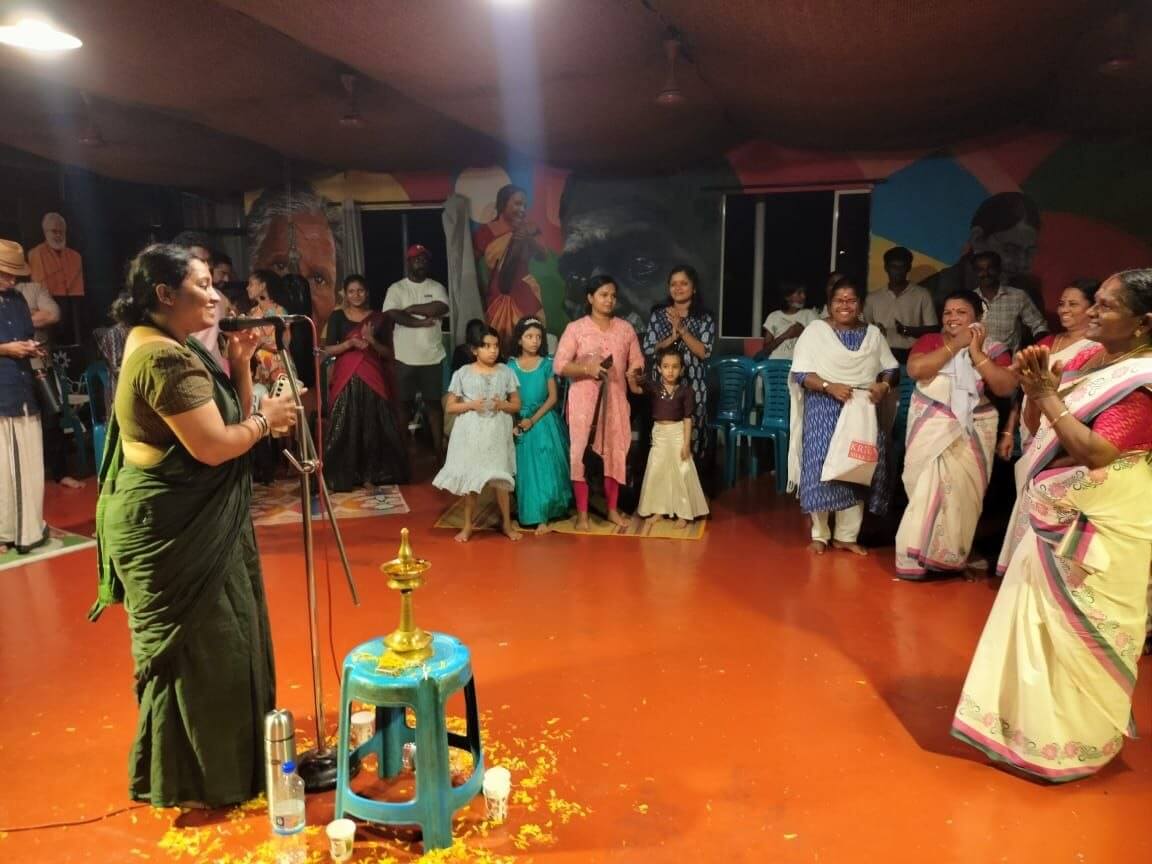
The online classes slowly built something larger than income. They built confidence. By the time the founders considered renting a physical studio, they already had a small but loyal student base that gave them the courage to take the risk. Even then, survival was fragile.
Financial uncertainty became a constant part of running the institution. Even now, Ponnu openly admits that the school is sustained largely by the faculty’s own earnings rather than by independent profits. But for her, the struggle also revealed something important: people were hungry for spaces that felt different.
Building a Safe Space
Most traditional dance institutions rely entirely on personal trust. Safety is informal, undefined, and dependent on the teacher’s character. Ponnu wanted something stronger. So Thudippu implemented formal child protection policies, Internal Complaints Committees (ICC), faculty training systems, and PoSH frameworks to ensure accountability. For Ponnu, the distinction matters deeply.
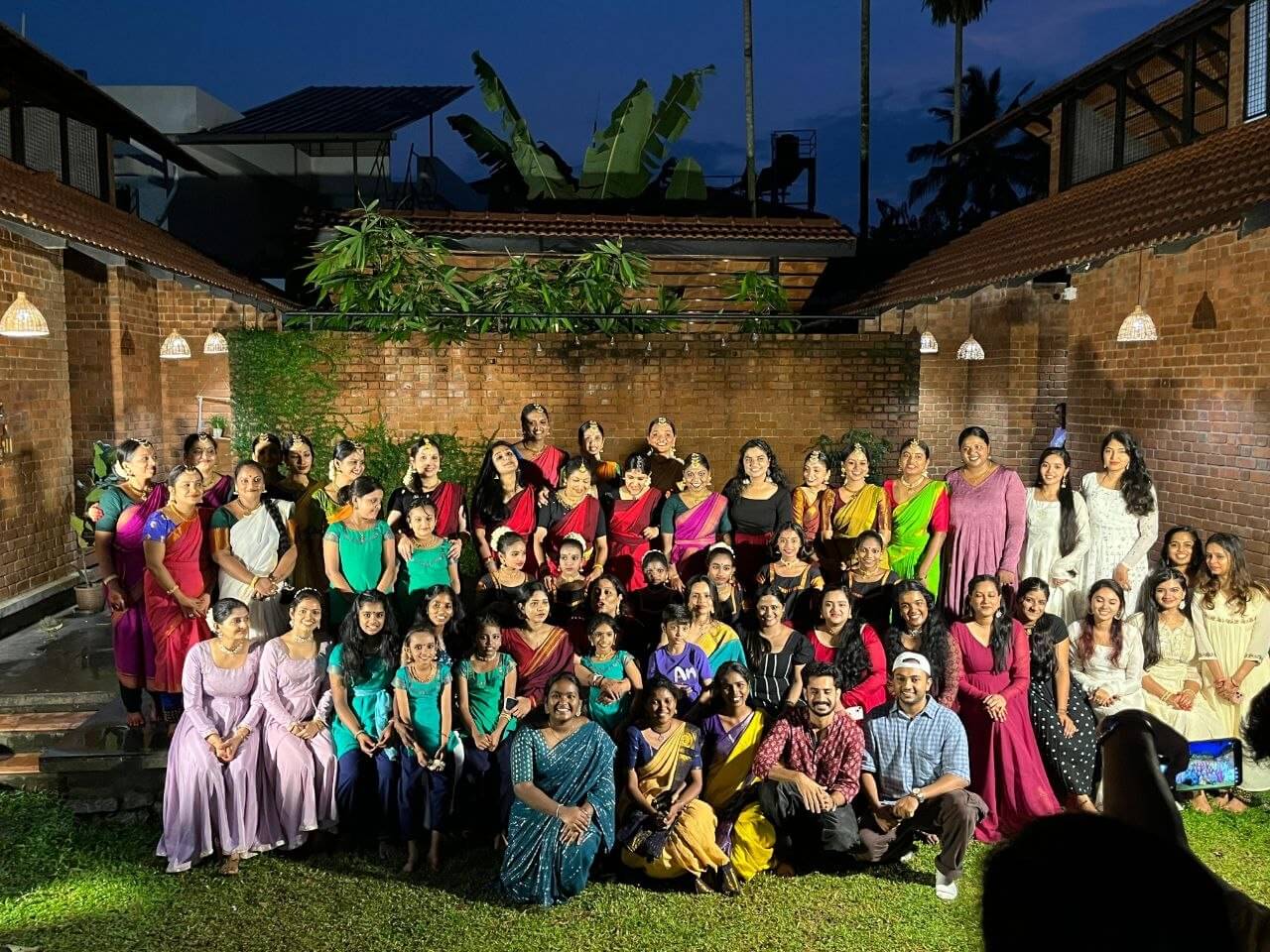
She understands how easily artistic hierarchies can blur into exploitation. In many classical settings, students are taught to feel permanently indebted to teachers. Gratitude becomes silence. Respect becomes submission. Boundaries become unclear. Thudippu attempts to disrupt that pattern. Faculty members receive training on child safety and professional conduct. Students are encouraged to speak openly about discomfort. Systems exist for grievance redressal. The institution openly discusses emotional well-being, consent, and accountability in a field where such conversations are often dismissed as unnecessary or overly modern.
Challenges Ahead
One of the biggest challenges facing Thudippu is not artistic; it is economic. Ponnu often speaks about the absence of a strong “ticket culture” in Kochi. People willingly spend money on movies and commercial entertainment, she says, but hesitate to buy tickets for live dance performances.
For institutions like Thudippu, this creates a difficult paradox. Audiences may admire art, but admiration does not necessarily translate into financial sustainability. Rather than blaming audiences, however, the founders are thinking long-term.
They believe cultural habits take time to build. By introducing children to dance in meaningful ways and encouraging genuine engagement with the art form, they hope to slowly create future audiences who value live performance enough to support it financially. Like everything else in Thudippu, the approach requires patience.
Beyond Performance
What makes Ponnu’s story compelling is that it resists the usual mythology surrounding artistic success. Instead, her story is about creating alternatives. It is about refusing systems that demand silence. It is about friendship surviving pressure. And it is about two women trying to build the kind of institution they themselves once needed.
The irony, perhaps, is that Ponnu originally left psychology because she found it emotionally overwhelming. Yet in many ways, she never stopped practising it. Only now, the therapy happens through structure, art, and community. Inside Thudippu, psychology survives not in counselling sessions, but in the architecture of care: in the insistence on boundaries, in the refusal to romanticise suffering, and in the belief that creativity flourishes best when people feel safe.

Sometimes, the people who change lives are simply the ones who know how to listen.

What happens when you walk away from a secure career to follow your calling?


He first knew Chavittu Nadakam as the sound of home. What began with songs drifting through the evenings became a lifelong calling.
aikyam fellows inspire actions on important & urgent needs of the planet and underserved communities.